Archive for the ‘Tasting notes’ Category
Bairrada and Burgundy
Bairrada 2015, Maria da Graça, Tiago Teles ($28.04, private import, 6 bottles/case)
100% Alfrocheiro from 15- to 30-year-old vines rooted in clay-limestone soil in a cool-climate vineyard. The manually harvested grapes are fermented in open concrete vats. Matured six months in stainless steel tanks. Minimal sulphur dioxide at bottling. 12.5% ABV. Quebec agent: Rézin.
Interesting, savoury nose of “smoke,” slate, blackberry, plum, licorice and a hint of rubber. Medium-bodied, dry and savoury but also astoundingly fresh and fluid. The sweet-ripe fruit joined by dried beef, spice and lots of minerals. Lively tannins, smooth tannins and a long finish round out the tasty picture. (Buy again? Yep.)


Saint-Aubin 2014, Le Ban, Domaine Derain (ca. $60, private import, 6 bottles/case)
A blend of Pinot Noir (97%) and Aligoté, Chardonnay, Pinot Beurot and Pinot Blanc. The nearly 100-year-old vines are coplanted and have been farmed biodynamically since 1989. Manually harvested. Crushed by foot. Whole-cluster fermentation in traditional wooden vats lasts two to three weeks. Matured in barrels. 12.5% ABV. Quebec agent: Rézin.
Ça pinote ? And how. A perfumy, floral nose of red berries, sweet spice, beet and cola. A sip reveals a wine of great purity. The rich, ripe fruit is beautifully structured by lively acidity and fine, firm tannins and a mineral underlay. Marinated cherry, herbs and a hint of chocolate appear on the expansive mid-palate and linger through the long, bitter-edged finish. Delicious now and probably even better in 10 years. Tastes old-fashioned in the best sense of the phrase. A memorable wine. Fairly priced too. (Buy again? A case if it weren’t sold out.)
MWG August 11th tasting: flight 5 of 9
AOC shunners
Vin de table 2014, Zacmau, Causse Marines ($35.62, private import, 6 bottles/case)
100% Mauzac from organically and biodynamically farmed 90-year-old vines in Gaillac. Fermented with indigenous yeasts in temperature-controlled tanks. Maturated in stainless steel tanks and, on the lees with regular stirring, in barrels (30-50%). Fined and filtered only on an as-needed basis. Sulphur use is kept to a minimum. 13% ABV. Quebec agent: Rézin.
Striking nose of apple, sushi, “pumpkin,” and flat champagne. Smooth and rich in the mouth, with lowish acidity. The “loose attack” gives way to a savoury-overtoned, limestoney mid-palate. Not a lot of depth but a certain opulence and a great complexity of flavours, with tasters noting “apple compote,” “dried white flowers” and “propolis” among other things. Long finish. Fascinating. (Buy again? Sure.)


Vin de France 2015, Le Pont Bourceau, Les Roches Sèches ($31.38, private import, 6 bottles/case)
Technically an Anjou blanc. 100% Chenin Blanc from organically farmed vines planted in 1973. Manually harvested. Direct pressed. Vinified and matured in tanks for around 12 months. Filtered. 12% ABV. Quebec agent: Rézin.
Attractive nose of pear, quince and quartzy limestone. Rich, fruity and dry in the mouth. The smooth surface is unperturbed by the pervasive acidity. Great minerality. Honey overtones. Fundamentally savoury. Very long. Intense yet civilized. Delicious. (Buy again? Yes.)
MWG August 11th tasting: flight 4 of 9
Branco and bianco
Lisboa 2015, António, Casal Figueira ($35.03, private import, 6 bottles/case)
100% Vital from ungrafted, 60- to 100-year-old vines. After destemming, the grapes and placed in barrels for fermentation and eight to 10 months’ maturation on the fine lees. Lightly filtered. A tiny amount of sulphur dioxide is added at bottling. 11.5% ABV. Quebec agent: Rézin.
Subtle, nuanced nose suggestive of lemon, quince and white minerals. Subtle and minerally on the palate, too, with veils of white fruit, citrus, honey and wax. Enlivened by fresh acidity. So light yet so intense and pure. Finishes clean and long. Super with Lucky Limes. Steve says this estate’s wines are among the most vintage-driven he’s encountered, with each year bringing a new experience. Well, the 2015 experience is most impressive. (Buy again? Yes.)


Marche Bianco 2016, Terre Silvate, La Distesa ($27.68, private import, 12 bottles/case)
Mostly Verdicchio with small abounts of Trebbiano and Malvasia. The manually harvested grapes come from organically and semi-biodynamically farmed vines in two plots in the Castelli dei Jesi appellation. Part of the juice is left to macerate on the skins for several days. Co-fermented with indigenous yeasts in stainless steel tanks. Matured five to six months. No added anything except minimal amounts of sulphur dioxide at bottling. 13% ABV. Quebec agent: Rézin.
Burned minerals, hay, apple and “chickpeas.” Rich and extracted. Ripe-sweet apple on the attack gives way to citrus and a load of minerals with a definite saline streak. Soft acidity adds just enough buoyancy. Long, minerally finish with incipient honey and almond notes. Fresh, engaging and speaking of its place. A favourite of many around the table, including me. (Buy again? If the Quebec allocation weren’t sold out, absolutely.)
MWG August 11th tasting: flight 3 of 9
Luxe quaffer
Cheverny 2016, Rouillon, Clos du Tue-Bœuf ($32.00, private import, 6 bottles/case)
The wine is named after the site where the grapes are grown, itself named after the “rust-coloured” (rouille) clay soil. A 50-50 blend of Gamay and Pinot Noir from organically farmed, co-planted vines averaging 20 years of age and rooted in a single, 1.9 ha plot of limestone-rich clay and flint. The grapes are harvested at the same time and co-fermented. Whole-cluster semi-carbonic maceration. Matured six months in 500-litre demi-muids. Nothing added, including sulphur. Unfiltered and unfined. 12.5% ABV. Quebec agent: Rézin.

Slate, violet, red berries with leaves, hints of turned earth and spice. Medium-bodied and fluid. Possessed of a velours-like texture, bright acidity and fine, lightly astringent tannins. Good, clean finish with lingering fruit and slate. A bit rakish but also charming and so very drinkable. Probably not an ager. In the best of all possible worlds, this would be $10 cheaper, not that I’m complaining about the price, as the wine puts a lot of similarly priced Burgundies to shame. (Buy again? For sure.)
MWG August 11th tasting: flight 2 of 9
Irrepressible
Moonlighting from his daytime gig at Rézin, the irrepressible Steve Beauséjour returned to the Mo’ Wine Group in August to lead another of his sui generis wine and food tastings. It goes without saying that the assembled masses enjoyed themselves. Our tastings start at 7 p.m. and normally end between 9:30 and 10; this one finished after midnight.
While the wines weren’t really served in flights, I’ve organized them that way for reporting purposes.
Québec 2016, Seyval-Chardo, Nature SSA, Les Pervenches (ca. $19)
A private bottling of the estate’s regular Seyval-Chardonnay blend. The wine went directly from the barrel into the bottle, with no filtering, fining or added sulphur. While I don’t have the exact proportions of the grape varieties, they’re normally 80% Seyval Blanc and 20% Chardonnay from biodynamically farmed vines. Manually harvested. Fermented with indigenous yeasts. Undergoes malolactic fermentation. Matured in neutral French oak barrels. 11.7% ABV. While this bottling was never retailed, the estate’s other wines are (though they usually sell out a few weeks after their release) at the winery, at a few area food stores specializing in local products (e.g. Dans la côte, Fromagerie Hamel) and through the Quebec agent, La QV.

Clean nose of lemon, chalk and mowed fields. Fresh and pristine in the mouth. Medium-bodied. The pure fruit lends some sweetness that’s immediately checked by the incisive – not harsh – acidity and dancing minerality. Gains breadth and depth as it breathes. Finishes clean, fresh and long. A bracing, super-drinkable and, yes, irrepressible wine with “lots of energy” (quoting another taster). I’d buy a case if I could. (Buy again? Please!)
MWG August 11th tasting: flight 1 of 9
Orange roughly
Québec 2016, Julep, Domaine Négondos (c. $27.00)
This orange wine isn’t even mentioned on the winery’s website while on the wider Web you’ll find more information about the label than the wine itself. The label and name wryly refer to Montreal’s iconic Gibeau Orange Julep drive-in and its signature drink. 100% Seyval Blanc from the winery’s organically farmed vineyard in Mirabel in the lower Laurentians. Manually harvested. Macerated several weeks on the skins. After pressing, the juice is fermented with indigenous yeasts. Clarified by settling. Probably unfiltered and unfined and minimally sulphured. 11.5% ABV.

“Floral” by general agreement though there is little consensus on the type of flower (dandelion, I think). Hay stubble, stone fruit and citrus (including a little bergamot?) complicate the aromatic profile. In the mouth, it’s smooth, barely medium-bodied and super dry. The light nectarine, citrus and browning apple fruit is dusted with minerals, structured by sleek acidity and ghostly tannins. The evanescing savoury/earthy finish could be longer. Not very orange (if memory serves, the 2014 was significantly more so) but a very convincing expression of Seyval. (Buy again? Yes.)
I’ve contacted the winery for more technical information and will update this post when/if I receive it.
MWG July 27th tasting: flight 7 of 7
Three Macedonian flagships
The Macedonia in question is the region of northern Greece, not the Republic of Macedonia.
Epanomi 2014, Avaton, Domaine Gerovassiliou ($40.25, 11901111)
A blend of Limnio (40%), Mavroudi (40%) and Mavrotragano (20%). Manually harvested. Fermented in neutral barrels. After malolactic fermentation is completed, the wine is transferred to French oak barrels (50% new) for 18 months’ maturation. Reducing sugar: 3.0 g/l. 13.5% ABV. Quebec agent: Le Maître de Chai.
Nose of very ripe black raspberry, dark cherry and plum overtoned with earth and spice. Full-bodied and dry. Full of jammy, sweet fruit. Round tannins and smooth acidity provide some structure and texture. Gains meat and spice notes on the mid-palate and chocolate on the long finish. A bit heavy and unrelenting: probably better in four or five years but also probably never refreshing. Seems bigger, more modern and more international in style than some earlier vintages. (Buy again? Maybe next vintage.)

Macedonia 2015, Terre et Ciel, Domaine Thymiopoulos ($31.25, 11814368)
100% Xinomavro from three parcels of organically farmed 45- to 75-year-old vines. Manually harvested. Fermented in stainless steel vats with native yeasts. Matured in a mix of Burgundy barrels (20% new). Bottled unfiltered, unfined and with a small squirt of sulphur dioxide. Reducing sugar: 3.6 g/l. 14% ABV. Quebec agent: oenopole.
Complex, savoury, evolving nose of “wine gums,” “soy sauce,” “pickled beets” and coffee beans segueing into cherry, “Worcestershire” and, unfortunately, a streak of volatile acidity that wouldn’t dissipate. Smooth and more medium- than full-bodied in the mouth. Good balance between ripe fruit, bright acidity, round tannins and mineral depth. Still, we couldn’t shake the feeling that this was a little off. Bottles opened before and since have been clean and more interesting. (Buy again? Based on other bottles, yes.)
Amyndeon 2012, Xinomavro Reserve, Vieilles Vignes, Alpha Estate ($33.00, 11902940)
100% Xinomavro from 91-year-old vines rooted in sandy clay over limestone. Manually harvested. Destemmed, lightly crushed and cold-macerated. The tank is gradually heated, prompting fermentation to begin. Matured 24 months in French oak casks and 12 months in the bottle. Unfiltered and unfined. Reducing sugar: 4.6 g/l. 14.5% ABV. Quebec agent: Univins.
Deep nose: dark fruit, graphite, smoked meat spice and meat, among other things. Full-bodied though unheavy, quite structured though round. The plummy fruit is spiced with star anise, framed by cushy tannins, enlivened by acidity. A “butter cookies” note enriches the long finish. An elegant wine in the prime of its life. (Buy again? Sure.)
MWG July 27th tasting: flight 6 of 7
The Pélican brief
The germ of the idea for Domaine du Pélican, the Jura offshoot of Burgundy’s renowned Domaine Marquis d’Angerville, was a bottle of Stéphane Tissot’s 2005 Arbois Chardonnay “Les Bruyères” that Guillaume d’Angerville tasted blind at a Paris restaurant in 2007. D’Angerville had asked the sommelier to bring him a bottle of something not from Burgundy. On tasting the wine, he declared the sommelier had not followed his instructions and was dumbstruck when the bottle was unveiled.
So impressed by the wine was he that d’Angerville began searching for vineyards in the Jura. In 2012, he leased the Chateau de Chavanes in Montigny-les-Arsures, gaining access to five hectares of biodynamically farmed vines. The estate’s holdings were later expanded by two acquisitions of organically farmed vines: five hectares from Jean-Marc Brignot and, in 2014, four hectares from the retiring Jacques Puffeney.
The estate, whose name and label are inspired by the Arbois coat of arms, currently makes and sells four wines, all vinified à la bourguignonne, in the Burgundian style, by which d’Angerville means non-oxidized. The estate’s first oxidized wine, a vin jaune, is slated for release in 2022.
Arbois 2015, Savagnin Ouillé, Domaine du Pélican ($49.25, 13265041)
100% organically farmed Savagnin primarily from two parcels (Barbi and Grand Curoulet) of Jurassic marl and terre de gryphées. Manually harvested. Lightly crushed then whole-cluster pressed. Fermented in stainless steel and matured 10 months, mostly in neutral 350-litre barrels. which are regularly topped-up (ouillé) to prevent oxidation. 12.5% ABV. Quebec agent: Séguin et Robillard.
Striking nose of lemon, green apple, quartz and, per other tasters, “terroir smoke” and “deviled eggs.” Fresh and vibrant in the mouth, with an elegant texture, impressively pure fruit, brilliant acidity, great minerality and every dimension. Long, racy and complete. The kind of commanding unullaged Savagnin that floats my boat. (Buy again? Yes but…)
Arbois 2015, Chardonnay, Domaine du Pélican ($49.25, 13265032)
100% organically farmed Chardonnay from the Barbi vineyard and three other parcels. Mainly limestone with clay and marl. Wine-making is as for the Savagnin. 12.5% ABV. Quebec agent: Séguin et Robillard.
Subtle nose: faint orchard and stone fruit, hints of oat and “flowers changing to chalk.” In the mouth, it’s smoother and more buttery, less marked by acidity than its flightmates. There’s real complexity, including a vein of minerality that lasts into the long finish. So elegant and still evolving. Excellent but needs five to 10 years. (Buy again? Sure but…)

Arbois 2015, Poulsard, Domaine du Pélican ($52.25, 13314113)
The first vintage of the wine. 100% Poulsard entirely from the Puffeney vineyards. The wine-making was guided by Puffeney. Manually harvested. Fully destemmed. Fermeneted in vats. Matured 10 months in 228-litre oak barrels. 12.5% ABV. Quebec agent: Séguin et Robillard.
Complex nose of “cranberry,” “earth,” spice, prosciutto fat, undergrowth and slate. Light- to medium-bodied. The ripe if ethereal fruit is structured by gossamer tannins and racy acidity. The layers – veils is perhaps the better term – of flavour bestow a certain depth. Long, minerally, old-woody finish. Fresh, fleet and wonderfully pure. Poulsard is sometimes done in a rustic style but not here. So engaging. “Effing good.” (Buy again? Yes but…)
Arbois 2015, Trois Cépages, Domaine du Pélican ($49.25, 13265083)
A PPT, i.e. a blend of Pinot Noir (65%), Poulsard (30%) and Trousseau (5%). Wine-making is as for the Poulsard, though without Puffeney’s input. 12.5% ABV. Quebec agent: Séguin et Robillard.
Outgoing nose of “strawberries,” “tart cherries,” “a bit of meat“ and “nutmeg.” Medium-bodied and more structured than the Poulsard. Again, the fruit is remarkably pure but here framed by light, torquey tannins and sleek acidity. Good length and balance. Young but already showing some complexity. Impeccable. (Buy again? Sure but…)

This was my first encounter with Domaine du Pélican’s wines. Going in, I’d wondered whether they’d taste more Burgundian than Juraassien. They didn’t. While you’ll have to look elsewhere for the rusticity and funk found and prized in some Jura wines, there’s no denying that these could come from nowhere but the Jura and that the Savagnin and Poulsard are textbook examples of the grapes and style.
Why the buy-again buts then? The price. Nearly everyone around the table said they’d plunk for one or more of the wines if they were in the $30 to $40 range but not at $50. My memories of the Savagnin and Poulsard are so vivid and compelling that I’ve come close to splurging on a bottle of each. And then I remember that the 2013 Puffeney Poulsard retailed for $31.50 a bottle (and that was through the higher-markup private import channel), making it hard not to conclude that Domaine du Pélican is charging Burgundy prices for Jura wines, that you are, to some degree, paying through the nose for a name. Maybe that’s why, however outstanding they may be, all the wines in this limited release remain available more than two months after the release date.
MWG July 27th tasting: flights 4 and 5 of 7
Bargain Branco
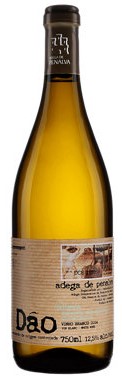 Dão 2016, Indigena, Adega de Penalva ($11.25, 12728904)
A blend of Encruzado (40%), Cerceal Branco (30%) and Malvasia Fina (30%) from vines rooted in sandy soil over schist and granite. Farming is sustainable converting to organic. Manually harvested. The more aromatic varieties are macerated overnight. After pressing, the juice is fermented in stainless steel tanks and bottled early in the year following the vintage. Reducing sugar: <1.2 g/l. 12.5% ABV. Quebec agent: La QV.
Wafting, aromatic nose of pear compote, white spice, white flowers, chalk and a little sap. In the mouth, it’s unctuous but not heavy, redolent of white orchard fruit, white grape juice and eventually citrus. At first you wonder whether the wine isn’t too soft but as it breathes and your palate adjusts, the unaggressive acidity and thin vein of quartzy minerals form a definite if pliant backbone. A thin thread of bitterness runs throughout and is joined by a faint honey note on the dry finish. Gains presence as it warms from fridge temperature, so don’t serve it too cold. The price is unbelievably low for a wine of this quality and character. Some might enjoy this as an aperitif, though I tend to like a sharper white in that role. Seems like a natural for simply prepared cod or soft Portuguese cheeses. (Buy again? Sure.)
Rebel without applause
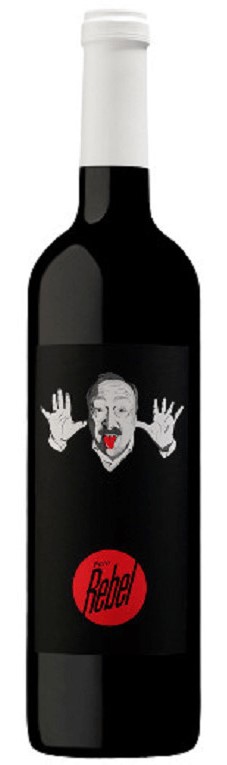 (More like without wild applause actually but the pun was irresistible.) As much as I appreciate swimmers against the current, the label’s bad boy posing almost convinced me to buy something else. On the other hand, I was making a Portuguese dish (pork chops pan-fried with whole garlic cloves and lemon wedges), was in the mood for a light red and this bottle from the father of Filipa Pato, whose wines I’ve enjoyed in the past, was the only Portuguese red at my local SAQ that was under 13%.
Beira Atlântico 2015, Pato Rebel, Luis Pato ($21.50, 13184419)
Baga (90%), Touriga Nacional (9%) and Bical (1%). The idea being to tame the ferociously tannic Baga, the grapes are macerated only briefly and fermented in temperature-controlled tanks. Reducing sugar: 1.7 g/l. 12.5% ABV. Quebec agent: Pot de vin.
Blackberryish fruit, iron, dried blood, dark chocolate, background fern and bog. Medium-bodied and supple. The ripe fruit quickly fades leaving minerals and earthy savour but not a lot else. Structured by fresh acidity and fine tannins that swell astringently on the super-dry finish. Slate, old wood, old leather and vine sap linger. Somewhat austere and not particularly deep but a perfectly good food wine. Not beguiling though unlike anything else and involving in its somewhat inscrutable way. (Buy again? Sure.)

 Brett happens