It’s a white! It’s a red! It’s Brutal!!!
Brutal!!! 2015, Partida Creus (ca. €10-15/$15-20 in Barcelona, importation valise)
Apparently, the wine is sin denominación, demoninationless. In any case, it’s a blend of several Catalan grape varieties (probably Vinyater, Subirat Parent, Xarel·lo, Cartoixa Vermell and Blanc de Sumoll) from biodynamically farmed vines planted in clayey-calareous soil. Manually harvested. The varieties are vinified separately and blended before bottling. Fermented with indigenous yeasts. Matured seven months in stainless steel tanks. Unfiltered, unfined. No added sulphur. 11% ABV.

Cloudy pink to the eye. Spicy/funky nose of dough, distant sweet berries, “pink peppercorns” and an evanescing whiff of volatile acidity that one taster describes as “latex gloves.” A bit spritzy in the mouth. Lightly fruity and quite dry but tangy like “kambucha” and “hibiscus.” The tannins are light while the acidity is electric. So refreshing and drinkable and such energy! Like nothing else I’ve tasted yet also like an instant old friend. Wow. (Buy again? By the case.)
On the Raw Wine website, Partida Creus describes themselves thus: “We are winegrowers and winemakers in the Massis de Bonastre terroir of Catalunya, working with our own production of grapes and with rescued ancient vineyards with interesting native variety of grape. All the vines are organic farming, our organic and natural wines express the terroir with its variety typicity. We try to put in the bottles our deep respect and love for wild and Mediterranean landscape, nothing else. A tribute to nature and biodiversity, our work is a way of life making wine. Certified organic by CCPAE Consell catalá de la Producció Agraria Ecologica.”
Partida Creus is represented in Quebec by Vinealis. A Brutal inquiry to the agency’s prime mover, André Papineau, elicited the following reply: “Oui je bosse avec Partida Creus depuis presque 4 ans maintenant. Quantités confidentielles au départ et de bons volumes maintenant. Par contre le Brutal a longtemps été seulement disponible pour le Bar Brutal; il est un peu cher, se vendrait @ ± 36 $ la bouteille le carton de 6, alors j’hésite un peu. Par contre j’aurai beaucoup de différents vins en août : VN blanco et tinto, BN blanco, TN Tinto, et les grandes cuvées de Vinyater, Cartoixa Vermell, Xarel-lo. Toutes les bulles sont réservées pour le groupe Joe Beef…” [Yes, I’ve been working with Partida Creus for nearly four years. Tiny quantities at the start and good volumes now. However, the Brutal!!! was available only at the Bar Brutal [in Barcelona] for the longest time. It’s kind of expensive, going for around $36 a bottle, case of six, so I’m hesitant. On the other hand, I’ll have a bunch of other Partida Creus wines in August: VN blanco and rojo, BN (white), TN (red) and the top wines, made from Vinyater, Cartoixa Vermell and Xarel-lo. All the sparklers are reserved for the Joe Beef group…”]
MWG June 22nd tasting: flight 4 of 7
Rosés de Provence
Coteaux d’Aix-en-Provence 2016, Château Vignelaure ($24.50, 12374149)
Grenache (40%), Cabernet Sauvignon (30%) and Syrah (30%) from organically farmed vines averaging 25 years old and rooted in pebbly clayey-calcareous soil. Manually harvested. Saignée method after two hours’ maceration for the Grenache; direct pressing for the Cab and Syrah. The must is chilled to 10°C and allowed to settle for 48 hours. Fermented at low temperature (17°C) and matured in stainless steel tanks except for 7% of the Cab, which is aged in a 400-litre new oak barrel. Maturation on the lees with regular stirrings lasts three months. Reducing sugar: <1.2 g/l. 13% ABV. Quebec agent: LBV International.
Rubber bands, straw, yogurt, background minerals and a hint of chile; look for it and you’ll find some stone fruit and red berries. Clean, pure and very dry on the palate, with low-key fruit, good acidity, a long bitter-edged, pink grapefruity finish and a lingering pastry note. Not particularly complex – and not quite the equal of the impressive 2014 – but tasty enough. (Buy again? Sure.)

Bandol 2016, Rosé, Domaine du Gros ’Noré ($32.25, 12931021)
Mourvèdre (50%), Cinsault (35%) and Grenache (15%) from vines averaging 30 years old. Farming is organic though not certified as such. Manually harvested. The Cinsault and Grenache are macerated 24 hours at 10°C, then pressed. The juice is combined with direct-pressed Mouvèdre juice and fermented. Reducing sugar: 2.1 g/l. 13.5% ABV. Quebec agent: oenopole.
Saltine crackers, “far-away Creamsicle” and lipstick give way to garrigue and minerals. “Fresh and dewy” in the mouth. Veils more than layers of fruit, sleek acidity, mineral depth and a a long, faintly bitter finish. “A bit more moreish than the Vignelaure,” notes one taster. Drinkable indeed. Will almost certainly gain complexity and presence with a year or two in the cellar. (Buy again? Yes.)
Côtes de Provence 2015, Rosé, Cuvée Clarendon, Domaine Gavoty ($27.65, 11231867)
This saignée method rosé is a blend of Grenache (70%), Cinsault (15%) and Syrah (15%) from vines rooted in clay and limestone. The grapes, which were vinified separately, were macerated in a vat for three to six hours. The free-run juice was drawn off and combined with the first-pressing juice, chilled and racked into stainless steel tanks for temperature-controlled (17°C) fermentation, which lasted two to four weeks. The various batches were sampled and selected in January 2016 and blended, with the best lots set aside for the Clarendon. Reducing sugar: 2.7 g/l. 13% ABV. Quebec agent: Vini-Vins.
Closed, minerally nose that, with coaxing, gives up notes of flan and red berries. Sweeter and flabbier than its flightmates, though improving with time in the glass. Fruitier too, bringing nectarine and strawberry to mind. A stronger acidic and mineral backbone would be welcome. Decent finish. Maybe time in the cellar or a carafe will help? At this point, not up to earlier vintages. (Buy again? Maybe.)
MWG June 22nd tasting: flight 3 of 7
Two misses and a hit
Bandol 2016, Blanc, Domaine de l’Olivette ($26.05, 10884559)
Clairette (80%), Rolle (aka Vermentino, 10%) and Ugni Blanc (aka Trebbiano, 10%). Manually harvested. After destemming, the grapes are cold-macerated on their skins, then pressed. Fermentation in oak vats is at low temperatures for about two weeks. The resulting wine is chilled and allowed to clarify by settling. Reducing sugar: 2.2 g/l. 13% ABV. Quebec agent: Vins de Châteaux.
Complex nose: “sweaty” (per another taster) with notes of fired minerals, dried flowers (linden), almond pastry cream, “straw fruit,” “celery salt” and more. Rich and round in the mouth and “a bit reductive.” The combination of highish extract and lowish acidity means the wine comes across as lethargic, a little flabby, “kind of flat” and “gassy.” The appealing nose and minerality aside, not a strong showing. A disappointment then, especially as I and others in the group have enjoyed earlier vintages. (Buy again? Meh.)

Bandol 2015, Blanc, Domaine la Suffrene ($26.45, 11903491)
A 50–50 blend of Clairette and Ugni Blanc from vines averaging 35 to 40 years old. Manually harvested. To increase flavour extraction, the crushed grapes are kept on their skins for 12 hours at 8°C before pressing. After clarification by settling, the juice is fermented in stainless steel tanks for around 15 days at around 19°C, then racked into other tanks for fining and maturation. Filtered before bottling. Reducing sugar: 1.8 g/l. 13.5% ABV. Quebec agent: Les Sélections Vin-Coeur.
Lemon and peach blossom, apple and honey. Rich on the palate but more fluid than the Olivette. Quite dry and minerally though turning fruitier on the long finish. Soft-glow acidity and a lingering bitterness complete the picture which, unfortunately, became less interesting as the wine breathed and warmed. Again, a wine that doesn’t seem equal to earlier vintages. (Buy again? Maybe.)
Bandol 2016, Blanc, Domaine du Gros’Noré ($34.00, 12206989)
A 70-30 blend of Ugni Blanc and Clairette from organically (uncertified) farmed vines averaging 30 years old. The must is macerated on the skins for 24 hours, then fermented at low temperatures with indigenous yeasts. Sees only stainless steel until bottling. Unfiltered and unfined. 13.5% ABV. Quebec agent: oenopole.
Lovely, wafting nose of white grapefruit, fired quartz, lemon flower and a “kaffir-like herbaceous note.” Clean and fluid with smooth acidity. Very minerally, especially on the finish. Dry, layered, long and savoury. “Apple seed bitterness” linger. Became better as it warmed and breathed. We have a winner. Try this with the winemaker’s recommended pairing: grilled mussels with rosemary (Buy again? Yep.)
MWG June 22nd tasting: flight 2 of 7
Chenintastic
The first in a series of notes from a recent mostly new arrivals tasting that featured several impressive wines purchased abroad and shared by travelling Mo’ Wine Group members.
Saumur 2010, Entre Deux Voyes, Le P’tit Domaine (ca. $30, importation valise)
Based in Varrains and Ecoert certified in 2012, the tiny estate (around two hectares of vines) is owned and operated by Richard Desouche, the manager at Château de Chaintres. It makes three wines: two reds and a white. This 100% Chenin Blanc, the fifth vintage of the wine, comes from organically farmed old vines rooted in clayey-calcareous soil. Fermented with indigenous yeasts in stainless steel tanks. Matured in old barrels. 12% ABV.
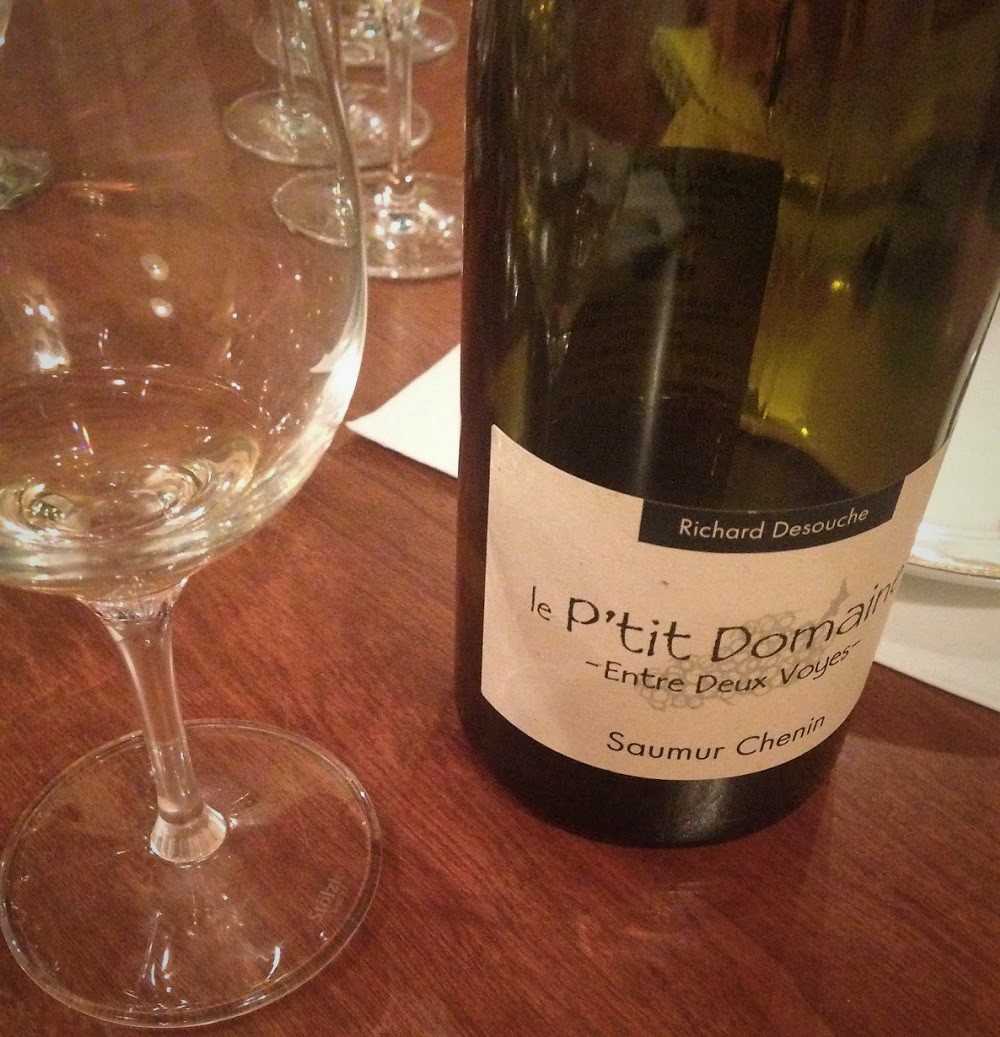
Intriguingly evolved nose of quartz dust, ham fat, lemon and hazelnut. Medium-bodied and ever so faintly spritzy. Ripe, almost sweet-seeming, but actually dry and very saline. The level of extract gives the wine a certain density and a bordering-on-waxy texture, a prefect foil for the trenchant acidity and super minerality. “Like a green apple with salt,” notes one taster. The depth and breath are sustained through the very long, bitter-, lemon- and almond-noted finish. A treat. (Buy again? If only…)
MWG June 22nd tasting: flight 1 of 7
Dâo wow
Dâo 2014, Quinta da Ponte Pedrinha ($18.25, 11895321)
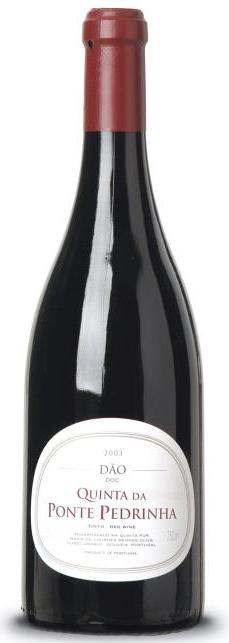 Everyone seems to agree this contains Tinta Roriz (aka Tempranillo) and Jaen (aka Mencia); some add Touriga Nacional and Alfrocheiro to the mix. The vines, which are reportedly around 30 years old, are rooted in granitic soil. The manually harvested grapes are given extended maceration. Fermented in temperature-controlled stainless steel tanks. Reducing sugar: 2.4 g/l. 13% ABV. Quebec agent: Bergeron-les-vins.
Fresh nose of red and black fruit, spice, faint red and black licorice, distant tar and a whiff of barnyard. Medium-bodied and very dry. The flavourful, ripe-sweet fruit is nicely soured by bright acidity (the hallmark of a good Dâo) and framed by light but firm tannins that assert themselves on the finish. A complex of leather, dark minerals, tobacco, undergrowth and old wood flavours adds savour and lingers long. Classic, refreshing, straightforward and even elegant, this food-friendly wine illustrates why Dâo is my favourite Portuguese region for dry reds. The estate recommends chilling the wine to 16-18°C and I couldn’t agree more. (Buy again? Definitely.)
Meridional v. septentrional
IGP des Bouches-du-Rhône 2015, Gueule de Loup, Château de Roquefort ($25.35, private import, 6 bottles/case)
A blend of organically farmed Grenache (normally around 80%), Cabernet Sauvignon and Merlot (some websites, though not the estate’s, claim Cinsault is part of the mix) from organically farmed, 20- to 55-year-old vines rooted in clayey-calcareous soil. Manually harvested. Ninety percent of the grapes are partially destemmed and crushed. Alcoholic fermentation, with indigenous yeasts in temperature-controlled tanks, lasts two to four weeks. Maturation is in cement tanks (80%) and foudres (20%). Unfiltered and unfined. 13.5% ABV. Quebec agent: La QV.
Attractive nose of plum, raspberry, spice, earth, cookie dough and a hint of barnyard. Rich but fresh, the freshness a function of the juicy acidity and clean fruit that’s framed by fine-edged tannins. Against a faintly lactic backdrop, cherry, pepper and slate fade into a long, heady finish. Enjoyable but less distinctive than the estate’s stellar Petit Salé and Corail. (Buy again? Sure.)

Crozes-Hermitage 2015, Et la bannière…, Matthieu Barret SARL ($42.00, private import, 6 bottles/case)
Matthieu Barret is the owner-winemaker at Domaine du Coulet. The eponymous SARL is his crittertastic négociant label. This is 100% biodynamically and organically farmed Syrah, the only red grape variety allowed in the appellation. The grapes are destemmed and fermented in concrete vats with indigenous yeasts and pump-overs. The resulting wine is racked, matured for 12 months, then bottled unfiltered and unfined with a tiny amount of pre-bottling sulphur being the only additive used in making the wine. 13% ABV. Quebec agent: La QV.
Nose initially marked by volatile acidity. Alongside it are dark berries, some of them candied, and olive tapenade with hints of game, bacon and sawdust. In the mouth, there a tension of sorts between the juicy sweet fruit and sour/bitter edge. The picture is completed by balancing acidity, dark minerality, fine tannins and nicely sustained finish. Accessible now though capable of ageing another five to 10 years. Some found this a little overwrought and rustic (“more like a Cornas than a Crozes,” huffed one skeptic) but I liked its complex mix of juiciness and savour. (Buy again? Yes.)
MWG June 8th tasting: flight 6 of 6
Cabgamay Franc
Santa Ynez Valley 2015, Cabernet Franc, Coquelicot Vineyard, Lo-Fi Wines ($44.95, private import, 6 bottles/case)
100% Cabernet Franc from organically farmed vines in the Coquelicot vineyard (fluvial sandy loam and gravel) near Solvang. Manually harvested. The whole clusters – neither destemmed nor crushed – were placed in a vat, which was filled with carbon dioxide gas and covered. Once a day for 14 days, the free-run juice was pumped over, then the vat was covered and gassed again. When alcoholic fermentation (with indigenous yeasts) was complete, the wine was pressed into tanks, settled and racked into neutral barrels (85% in 228-litre French oak barriques, 15% in a 600-litre demi-muid) for eight months’ maturation. Underwent full malolactic fermentation. Racked twice prior to bottling. Unfiltered and unfined. A small shot of sulphur dioxide was added at bottling. 12.2% ABV. Quebec agent: La QV.
Earthy, slightly jammy red fruit with hints of sandalwood and black olive. Dark-fruity and Asian-spicy in the piehole, the brighter colours darkened by an earthy substratum. Structured – if that’s the word for such a fuzzy wine – by smooth acidity and stealth tannins that make their presence felt only on the long, leathery/earthy finish. However original and interesting an interpretation of Cabernet Franc this may be, the QPR – as with so many California wines in Quebec – is seriously out of whack. (Buy again? Irrespective of price, sure.)

Saint-Nicolas de Bourgueil 2015, Hurluberlu, Sébastien David ($27.30, private import, 12 bottles/case)
100% organically and biodynamically farmed Cabernet Franc. Manually harvested, fermented with indigenous yeasts. Vinified Beaujolais style – using carbonic maceration – and given a very short maturation in tanks, with bottling occurring early in the new year following harvest. Unfiltered. No added sulphur. 12% ABV. Quebec agent: La QV.
Red fruity, cedary and a little poopy. From a hot vintage so richer, rounder, more extracted and conventional, less “like health juice” than some earlier versions. Still refreshing due to its bright acidity, supple tannins and pure fruit. Good, ultradrinkable juice, just a little less special than before. The shapely clear glass bottle is a beaut, especially in magnums. (Buy again? Sure.)
Coteaux Bourguignons 2015, Gamay, Domaine Bouillot Salomon ($29.95, private import, 12 bottles/case)
100% Gamay from biodynamically farmed vines rooted in clayey-calcareous soil. Manually harvested. Non-interventionist wine-making with no added anything, including sulphur. Matured in stainless steel and cement tanks. 12% ABV. Quebec agent: La QV.
Attractive nose of slightly candied red berries, spice, cola and background barnyard. A bit spritzy (carafing would have eliminated the gas). Fleet, fresh, fruity and dry with bright verging on tart acidity and a rumbling mineral bass line. The longish finish brings an appetizing bitter note. Would be interesting to taste this alongside some cru Beaujolais; I suspect the difference in terroirs would be noticeable. (Buy again? Yes.)
MWG June 8th tasting: flight 5 of 6
Notes from the edges
Vin de Sologne 2014, Quartz, Domaine Étienne Courtois ($39.25, private import, 6 bottles/case)
Located in the Sologne, Étienne and his father Claude make wines exclusively using ancestral methods and sometimes run afoul of authorities. Farming is strictly organic and biodynamic. This 100% Sauvignon Blanc comes from 15-year-old vines. Manually harvested, destemmed and gently pressed. Fermented (with indigenous yeasts) and matured in oak barrels for 12 to 24 months. 11.7% ABV. Quebec agent: La QV.
Striking, complex nose of turpentine, “eucalyptus,” “wild ginger,” California bay leaf, dried lemon, quartz crystals and parafin. A core of fruit (“candied lemon”) and more (“braised fennel”) wrapped in salt, energized by bright acidity. Good balance and length and real mineral depth. “The best Sauvignon Blanc I’ve ever had,” declares one taster. That said, I don’t imagine most people tasting it double-blind would guess it’s a Sauvignon Blanc. Whatever. It’s spellbinding. (Buy again? Oh, yes.)

Bourgogne Aligoté 2015, Troma-Onirique, François Écot ($38.15, private import, 12 bottles/case)
Based in Mailly-le-Château in the Yonne department of northeastern Burgundy, François Écot not only runs, with his American wife, a natural wine agency in New York City, he makes wines using grapes from an abandoned one-hectare vineyard that he resurrected. This 100% Aligoté, however, comes from purchased biodynamically and organically farmed (though not certified) grapes. Manually harvested. Vinified and matured eight months in foudres, fûts and amphorae. No added anything, including sulphur. Unfiltered and unfined. 12.5% ABV. Quebec agent: La QV.
The nose prompts comments along the lines of chalk quarry, “match stick,” “waxy” and lemon juice. A sip reveals a rich and minerally wine with a mouthfeel as much like a Chardonnay’s as an Aligoté’s. There’s some surprisingly juicy fruit, bright but smooth acidity, impressive purity and depth and a long, minerally finish. It’s still a surprise to see a $40 price tag on an Aligoté, but that’s what the top wines go for these days. And this is definitely a top wine. (Buy again? Yes.)
Coteaux Bourguignons 2015, Pinot Beurot, Domaine Bouillot Salomon ($32.20, private import, 12 bottles/case)
This admirable northern Rhône estate recently acquired 2.7 hectares of vineyards west of Dijon. 100% Pinot Beurot (aka Pinot Gris) from biodynamically farmed vines rooted in clayey-calcareous soil. Manually harvested. Non-interventionist wine-making with no added anything, including sulphur. Matured in stainless steel and cement tanks. 13.5% ABV. Quebec agent: La QV.
Pear, minerals and more than a hint of reduction, which other tasters describe as “durian” and “cow piss and camomile.” Smooth, round and dry in the mouth. Soft acidity enlivens the verging-on-unctuous texture and brings welcome freshness. There’s a certain minerality and some white spice and butter on the long finish. Not a wine that will have Alsace quaking in its boots but more than just a curiosity. Carafe it at least a couple of hours before serving if drinking now or hide it in the cellar for a two or three years. (Buy again? Sure.)
MWG June 8th tasting: flight 4 of 6
Rocca fortis
Located in Roquefort-la-Bédoule, about 15 km east-southeast of Marseille and at the northwestern edge of the Bandol appellation, Château de Roquefort today comprises 24 hectares of vines located on a northwest-facing mountain slope at about 375 m. The soil is mainly flinty clay-limestone. The vineyard’s orientation and altitude are said to give its wines a rare balance, which is attributed to the grapes’ slow development. The estate has been owned by the De Villeneuve family since the early 1800s and is farmed organically. Most of the wines are blends and in all the blends the grapes are cofermented. Cellar work is gravity fed whenever possible.
In this instance, Roquefort has nothing to do with the celebrated blue cheese from Aveyron and envrions in the French southwest. The Provençal roquefort is derived from the Latin rocca fortis (rocky outcrop), one of which dominates the estate’s vineyards.
IGP des Bouches-du-Rhône 2016, Petit Salé, Château de Roquefort ($25.90, private import, 12 bottles/case)
Mostly Clairette with lesser amounts of Ugni Blanc (aka Trebbiano) and Vermentino; the Clairette, locally called petit salé, comes from vines planted in the 1950s. The hand-picked grapes were destemmed, crushed and cold-macerated on the skins before being pneumatically pressed. Fermentation with indigenous yeasts took place in temperature-controlled (18-23°C) tanks. Malolactic fermentation was blocked. Matured in concrete tanks and bottled in February and March of 2017. 11% ABV. Quebec agent: La QV.
Lemon, white flowers, mineral dust, faint peach. Light yet intense and very fresh. Bone dry but not austere. A vein of salinity runs throughout. Long, clean finish. Much more akin to a Cassis than a Rhône white, this has seafood – including the raw variety – written all over it. (Buy again? Def.)

Côtes de Provence 2016, Corail, Château de Roquefort ($25.60, private import, 12 bottles/case)
This rosé is always made from Grenache, Syrah, Cinsault, Carignan, Vermentino and Clairette, though the proportions vary from vintage to vintage; in 2016 they were 30%, 25%, 20%, 10%, 10% and 5% respectively. The manually harvested grapes were partially destemmed. Some of the varieties were cold-macerated from eight to 24 hours. All the grapes were direct pressed, with the juice being combined and fermented in temperature-controlled (18-23°C) tanks with indigenous yeasts. 12.5% ABV. Quebec agent: La QV.
Subtle nose of peach, lime, sun-baked rocks and garrigue. Clean and fresh in the mouth. There’s a core of sweet fruit (though the wine is very dry), a bit of an acid bite and, again, a current of salinity. Finishes long and savoury. Even rosé skeptics liked this. (Buy again? Def.)
MWG June 8th tasting: flight 3 of 6
White orange
Vipavska Dolina 2015, Bela, Burja ($37.60, private import, 6 bottles/case)
A blend of Istrian Malvasia (30%), Welschriesling (30%), Ribola Gialla (30%) and unspecified other varieties from biodynamically farmed vines grown in the Vipava Valley and ranging from 25 to 75 years in age. Macerated on the skins for eight days before pressing. Fermented with indigenous yeasts in stainless steel tanks. Matured in 25 to 50 hl Slavonian oak barrels. 13.5% ABV. Quebec agent: La QV.
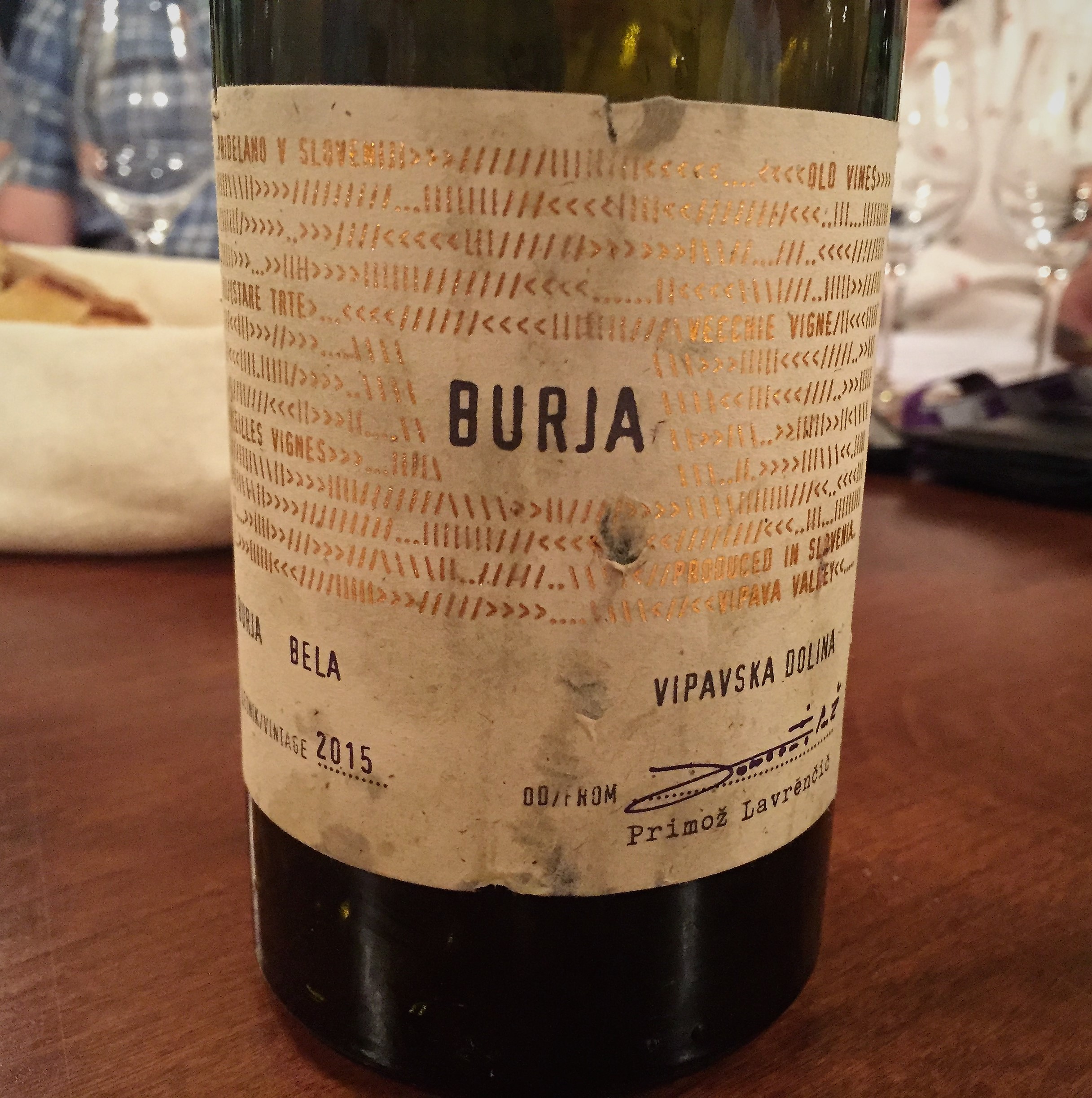
To all appearances, not an orange wine; the skin contact may add complexity and depth but the colour is lighter and more golden than, say, the Konkret Weiss, the nose is aromatic without being particularly estery/phenolic and if tannins are to be found, they escaped my notice. So, what are the aromatics? Preserved lemon, white pepper, quartz, maybe a floral note. In the mouth, the wine is very dry and savoury. The fruit takes a back seat to the minerals and a surprisingly intense salinity while sleek if sustained acidity counters the oily texture. The finish is long and vapourous. A food wine if ever there were one and probably a bottle that won’t suffer from a few years in the cellar. (Buy again? Yes.)
MWG June 8th tasting: flight 2 of 6

 Brett happens