Posts Tagged ‘QPR winner’
My mother’s cousin’s kitchen…
…or something like that.
Life – well, work – will prevent me from posting the next instalments of the July 27th MWG tasting for another day or two. In the meantime, a heads-up on a new arrival that’s disappearing fast.
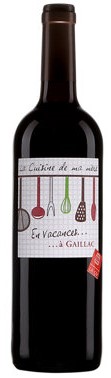 Gaillac 2016, La Cuisine de ma mère… En vacances à Gaillac, Nicolas Grosbois ($20.50, 13349800)
Nicolas Grosbois is based in Chinon. In most vintages, his entry-level wine, a drink-now Cabernet Franc, is called La Cuisine de ma mère. In 2016, however, having lost nearly all his harvest to bad weather, he decided to source grapes elsewhere. The result is this vin plaisir from Gaillac, which in France appears to be marketed as La Cousine de ma mére and comes in a Burgundy bottle. Duras (25%), Merlot (25%), Braucol (aka Fer, 25%) and Syrah (25%) from organically farmed vines. Manually harvested. Short maceration. Fermented with indigenous yeasts. Barely sulphured. Reducing sugar: 1.5 g/l. 13% ABV. Quebec agent: La QV.
Fun nose of black and sour cherry segueing to plum, slate, papier d’Arménie and dried wood. In the piehole, it’s medium-bodied and supple, packed with ripe-sweet fruit atop a gravelly substrate. Souring acidity adds intrigue, slender tannins turn a little raspy on the finish. Hints of stem, old wood, red licorice, incense and faint burnt caramel linger. Nothing profound but food-friendly and ultra-drinkable, like a lip-smacking Beaujolais with extra savour and a bit of torque. (Buy again? Absolutely.)
Here’s hoping Grosbois has a great 2017 vintage in Chinon but also continues making this Gaillac!
A double dose of Tempranillo Blanco
Grape vines are prone to mutating and winemakers prone to taking advantage of the results. One not uncommon example is red grape vines that mutate into white grape vines. Henri Gouges has a famous row of white Pinot Noir vines, propagated from an offshoot discovered in the 1940s, whose white berries are vinified to make a blanc de blancs (as opposed to a blanc de noirs, a white wine made from red grapes by minimizing the juice’s contact with the pigments in the skins). Tempranillo Blanco, a white mutation of Spain’s iconic red grape, was discovered in 1998 in Rioja Baja. (A grey-berried mutation called Tempranillo Royo or Tempranillo Gris has also been found in Toro.) After several years’ work to stabilize the variety, Tempranillo Blanco was authorized for use in white Rioja in 2004. Under the appellation rules, the grape can be used on its own or in blends, with Viura (aka Macabeo) generally considered the best blending partner. Two monovarietal Tempranillos recently showed up at the SAQ and we gave them a try.
Rioja 2016, Alto Cantabria, Inspiración, Valdemar ($19.90, 12591821)
100% Tempranillo Blanco sourced from the Alto Cantabria estate. The estate claims this was the first wine made from the grape; Jancis Robinson’s Wine Grapes says that honour goes to Ijalba. Fermented and matured on the lees in temperature-controlled (16°C) stainless steel tanks. Reducing sugar: 1.4 g/l. 13.5% ABV. Quebec agent: Oneo.
Odd but not unappealing nose of “cotton candy,” “peanuts,” “salty bread,” “Bazooka gum” and apple. Medium- to full-bodied. Dry but ripe-fruity (pear and pineapple), even juicy, with a salty mineral undercurrent and just enough acidity. Tasters note “tea tree” and “cucumber” on the sustained finish. Clean, savoury and involving, delivering a mouthful of flavour for under 20 bucks. Several around the table said they intended to buy this. (Buy again? Sure.)

Rioja 2016, Tempranillo Blanco, Edición Limitada, Rioja Vega ($22.50, 12489157)
100% Tempranillo Blanco. After alcoholic fermentation, the wine spent six months on the fine lees in French oak barrels. Reducing sugar: 1.4 g/l. 13.5% ABV. Quebec agent: Importation Épicurienne.
Minerals, apple, ash and preserved lemon mark the nose. In the mouth, it’s full-bodied, rich and round. The fruit tends to white pear and apple with tropical and citrus overtones. The oak adds spice but also calls attention to itself, especially on the long finish. Not exactly refreshing and probably best thought of as a food wine, though fans of big, New Worldish wines might feel differently. (Buy again? Unlikely.)
MWG July 27th tasting: flight 3 of 7
Cook’s Chard
 The latest installment in the ongoing search for a white wine that’s affordable enough for cooking and good enough for the cook to sip while doing the mise en place.
Côtes de Gascogne 2016, Chardonnay, Domaine La Hitaire ($10.20, 12699031)
The estate’s 110 hectares of vineyards are located in the hills around Eauze, capital of the Bas-Armagnac region in the Gers department. (The producer also makes armagnac under the Château du Tariquet label.) Technical information for this wine appears to be non-existent and there’s probably a reason for that. This much is clear: it’s 100% Chardonnay and part of the wine is matured in French oak barrels. Screwcapped. Reducing sugar: 3.3 g/l. 12% ABV. Quebec agent: Mosaiq.
Pleasant nose of subtle tropical fruit, lemon, chalk and a hint of green. On the lighter side of medium-bodied. Round and fruity (though not exuberantly) on the attack, drying as it moves through the mouth. A dusting of minerals adds interest while hints of vanilla and a touch of bitterness colour the peach-scented finish. Not particularly deep, long or memorable but fresh and fluid – not galpumphing – and it doesn’t taste industrial. (Buy again? Sure though not in preference to its cheaper, fresher, more characterful Les Tours sibling).
QPR CDR
 Côtes du Rhône Villages Signargues 2016, Domaine La Montagnette ($16.40, 11095949)
The grapes are grown by the estate’s owner but vinified, bottled and marketed by the small Vignerons d’Estézargues cooperative. This blend of Grenache (70%), Syrah (20%) and Carignan and Mourvèdre (together 10%) comes from vines grown in clay soil with the smooth stones typical of the former Rhône riverbed. Practices in the vineyard are semi-organic, with chemicals being used only as a last resort. The vines are gobelet-trained and the grapes are picked by hand, destemmed, lightly crushed, fermented at low temperatures and given a long (three to four weeks) maceration. After pressing, the wine is transferred to large barrels for maturation. No additives, including yeasts, except a small amount of sulphur at bottling. Unfiltered and unfined. Reducing sugar: 2.7 g/l. 14.5% ABV. Quebec agent: Rézin.
Delicious, Rhoney nose: red and black fruit (mainly berries), hints of black pepper, violet, spice, leather, leafmould and more. Medium-bodied. Heady but not hot, with a very fluid texture, ripe fruit and plenty of acidity. Light tannins provide an appealing rasp, dark minerals run throughout. A whiff of alcohol lifts the peppery finish while sandalwood and fruit cake linger. Other CDRs may have more depth but few offer this combination of savour, freshness, fleetness and price. A textbook, naturalistic CDR for $16.40, let alone the $14.65 it’s going for during the current promotion ($1 discount plus 750 Inspire points), this has QPR winner written all over it. (Buy again? For sure.)
Soave sia il Veneto…
 Veneto 2015, Masieri, Bianco, La Biancara ($22.20, 12846741)
Founded in 1999, Angeiolino Maule’s nine-hectare estate is located in Gambellara in the foothills of the Soave region. The estate-grown Garganega and Trebbiano grapes in this 80-20 blend come from biodynamically farmed vines rooted in volcanic soil. Manually harvested. Direct pressed. Vinified in stainless steel in small batches. Fermented with indigenous yeasts. No additives except a tiny amount of sulphur at bottling. Unfiltered and unfined. Reducing sugar: <1.2 g/l. 11% ABV. Quebec agent: Labelle Bouteille.
Hazy straw yellow to the eye. Discreet, fresh nose: quartz, sand, distant white fruit and the faintest hint of asafoetida. Leaner than your typical Soave: less pear, more lemon along with some green apple and a touch of lees. Smooth, transparently integrated acidity. Lots of chalky minerals and a faint almond overtone from the mid-palate on, joined by hints of watermelon fruit, rind and seeds on the bitter-tinged finish. A subtle, nuanced wine – a pleasure to spend time with – and a QPR winner. This bottle was singing from the get-go but others have needed several minutes of breathing to find their voice, so carafing is advisable. (Buy again? Definitely.)
(Musical accompaniment and origin of the title’s pun: Così fan tutte: “Soave sia il vento” – Mozart.)
Neo Naoussa
 Naoussa 2014, Domaine Thymiopoulos ($23.85, 13288218)
A new cuvée that, in price and sophistication, sits between the Jeunes vignes and the Terre et Ciel (the Xinomavro Nature, available through the private import channel, stands apart in more ways than one). 100% Xinomavro from organically farmed, 30-year-old vines rooted in volcanic and limestone soil and located between 180 and 500 metres above sea level. Manually harvested. Fermented with indigenous yeasts. After alcoholic and malolatic fermentation, the wine was transferred into 500-litre oak barrels for 12 months’ maturation. Unfiltered. Reducing sugar: 2.4 g/l. 12.5% ABV. Quebec agent: oenopole.
Protean nose of, among other things, black cherry, wild strawberry, black olive, balsamic vinegar, old leather, earth and violet. Medium-bodied and, despite the fine, firm tannins, supple. Fruity but dry, with freshening acidity, flavours that echo the nose and a slatey underlay. Any oak is very sotto voce. The finish is savoury, while earth and sweet-spicy notes linger. Clean, pure and eminently drinkable. Food-friendly too. May be the most elegant Xinomavro I’ve tasted. Unsurprisingly, the limited quantities are disappearing fast. (Buy again? Of course.)
Eaten Back to Life launch
Mo’ Wine Group stalwart, Weinplatz commander, occasional blogger and débauché hors pair, Jonah Campbell has just published his second collection of essays, Eaten Back to Life.

Though food is the titular topic, drink almost could be. Indeed, the essays “On Natural Wine, Punk Rock and Too-Easy Analogies” and “On Bad Melons, Bullshit, and the Emergent Qualities of Wine” are among the highlights of – and longest pieces in – the book.
The launch is tomorrow, August 17, at Drawn & Quarterly bookstore, between 7 and 9 p.m., with an after-party to be held at Alexandraplatz. Charcuterie from Boucherie Lawrence and wines from oenopole and Ward & associés will be served at the former; the Weinplatz cellar will be raided at the latter.
(And, yep, that Schueller 2007 Alsace Riesling Grand Cru Pfersigberg was something else.)
Francs et graves
Côtes de Bordeaux Francs 2014, Emilien, Château le Puy ($28.15, 00709469)
A blend of Merlot, Cabernet Sauvignon and Carménère (typically 85%, 14% and 1% respectively) from biodynamically and organically farmed 50-year-old vines. The grapes are fully destemmed. Fermentation in open, temperature-controlled vats with indigenous yeasts and no chaptalization lasts two to four weeks. Matured 14 months in large foudres and 11 months in third- to fifth-fill oak casks. Bottled unfiltered with only a small dose of sulphur. Reducing sugar: 1.9 g/l. 12.5% ABV. A few 500 ml bottles of the 2012 can also be found ($20.75, 00896399). Quebec agent: A.O.C.
Intriguing nose that gets the aroma-namers going: plum, “edamame,” “nigella,” “pickled turnip juice.” Medium-bodied. The pure fruit and graphite underlay are nicely structured by fine, firm tannins and bright acidity. Finishes long and clean with faint notes of tobacco and spice. This perennial favourite is true to form in 2014: a savoury, refreshing, eminently drinkable wine that everybody always enjoys. The QPR is high on this one. (Buy again? Yep.)

Graves 2015, Clos 19 Bis/Vincent Quirac ($31.05, private import, 6 bottles/case)
Founded in the late 2000s, the tiny (1.5 hectare) estate makes a Sauternes and a red Graves. The latter is a blend of Merlot (around 50%), Cabernet Franc and Cabernet Sauvignon from organically farmed vines averaging 40 years old and rooted in gravelly soil over a clayey-calcareous base. Manually harvested. The varieties are vinified separately. The Merlot is cold-macerated before fermentation for a week, the Cabernets are directly fermented. Fermentation at low temperatures with indigenous yeasts, punch-downs and pour-overs (using buckets, not pumps) lasts 10 days. The wine is then left on it skins for another eight to 10 days. 12.5% ABV. Quebec agent: Vini-Vins.
Cherry, cassis, “cocoa powder and ashes” and a strong whiff of volatile acidity. Quite disjointed in the mouth, with a harsh verging on acrid note, a problem that airing and swirling didn’t resolve. Bears little resemblance to the fresh, clean, juicy-fruited, mineral-laden, roundly structured, medium-bodied wine enjoyed a few days earlier. Clearly defective and, as such, a disappointment. (Buy again? Based on the earlier bottle, yes.)
MWG June 22nd tasting: flight 6 of 7
Dâo wow
Dâo 2014, Quinta da Ponte Pedrinha ($18.25, 11895321)
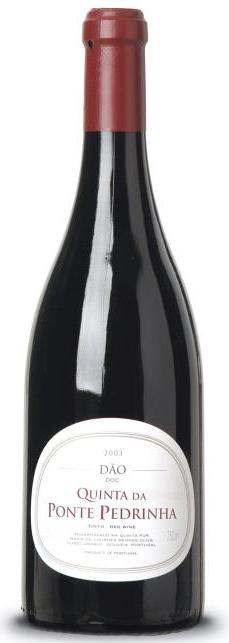 Everyone seems to agree this contains Tinta Roriz (aka Tempranillo) and Jaen (aka Mencia); some add Touriga Nacional and Alfrocheiro to the mix. The vines, which are reportedly around 30 years old, are rooted in granitic soil. The manually harvested grapes are given extended maceration. Fermented in temperature-controlled stainless steel tanks. Reducing sugar: 2.4 g/l. 13% ABV. Quebec agent: Bergeron-les-vins.
Fresh nose of red and black fruit, spice, faint red and black licorice, distant tar and a whiff of barnyard. Medium-bodied and very dry. The flavourful, ripe-sweet fruit is nicely soured by bright acidity (the hallmark of a good Dâo) and framed by light but firm tannins that assert themselves on the finish. A complex of leather, dark minerals, tobacco, undergrowth and old wood flavours adds savour and lingers long. Classic, refreshing, straightforward and even elegant, this food-friendly wine illustrates why Dâo is my favourite Portuguese region for dry reds. The estate recommends chilling the wine to 16-18°C and I couldn’t agree more. (Buy again? Definitely.)
Doubleheader
Côtes du Jura 2014, Naturé, Domaine de l’Aigle à Deux Têtes ($29.00, 13200183)
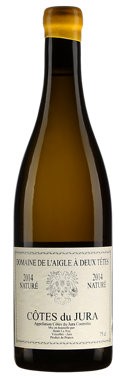 Located in Vincelles in the southern Jura, Henri Le Roy’s micro estate has been making wines since 2005. 100% Naturé (aka Savignan) from organically farmed vines. Fermentation (with indigenous yeasts) and maturation (on the fine lees) took place in old barrels. As Le Roy is not a fan of oxidized wines, the barrels were kept topped up. No added anything, including sugar, except for a tiny squirt of sulphur dioxide. Wax capsule. Reducing sugar: <1.2 g/l. 12.5% ABV. Quebec agent: Ward & associés.
The fragrant nose draws you in: browning yellow apple, drying hay, limestone, hints of wax, honey, butter and marzipan. A sip reveals a complex, exquisitely balanced wine. While Savagnin’s pronounced acidity structures, it here is softened by the richness of the fruit, so ripe it almost convinces you the wine isn’t bone dry, when in fact it is. And yet this isn’t a fruit-forward wine. The minerality is of a kind normally associated with Chablis or Santorini. The very long, pear-scented finish brings what the French call des beaux amères, a subtle complex of bitter notes, in this case including citrus pith. Unullaged Savagnin is often – and deliciously – done in a bold and bracing style; this adopts another approach, less primary colours, more pastels. A gorgeous wine and a certifiable bargain. (Buy again? Imperatively.)

 Brett happens