Archive for the ‘Tasting notes’ Category
White Grenache power
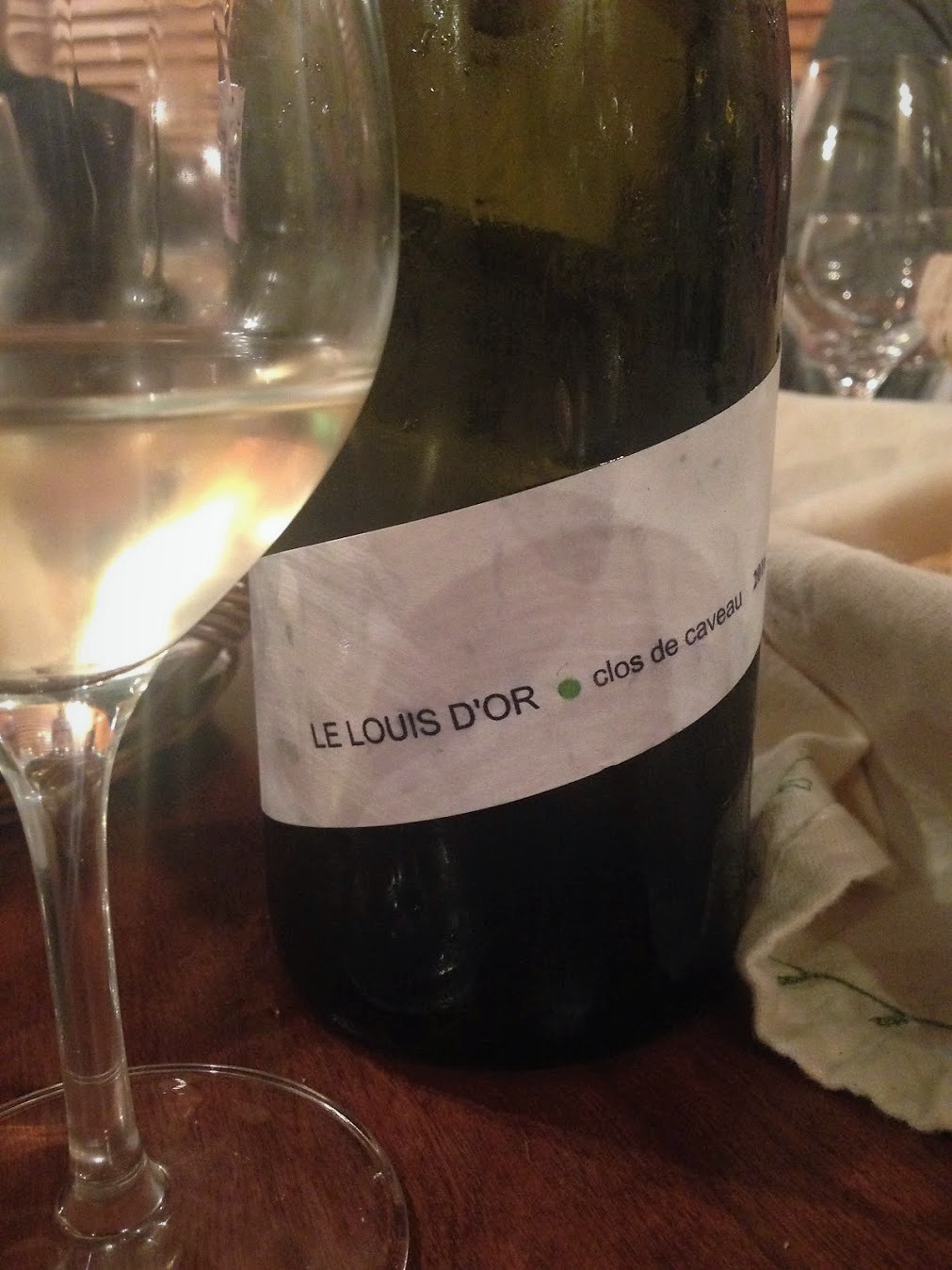
Vin de France 2016, Louis d’Or, Le Clos de Caveau ($29.15, private import, 6 bottles/case)
The 15-hectare estate – at 300 metres in altitude, the highest in the Vacqueyras AOC – has been certified organic since 1989. This new cuvée, the estate’s only white and not even listed on its website, is a blend of Grenache Blanc and Clairette from organically farmed young vines. Manually harvested. Fermented with indigenous yeasts. 14.5% ABV. Quebec agent: Vinealis.
Appealing nose of wax, quartz, dust and white spice. Rich and dense, even oily on the palate. Very dry. The pure, ripe, honeyed fruit is carried less by moderate acidity than the powerful-verging-on-hot alcohol, which may also explain the tingling sensation that lingers along with an almost buttery aftertaste. Impressive? Yes. Refreshing? No. Definitely not an aperitif wine. (Buy again? Unlikely, though fans of the style may well feel differently.)
Priorat 2015, 1270 A Vuit, Hidalgo Albert ($31.50, private import, 6 bottles/case)
Unfortunately, no photograph of the handsome bottle was taken. 100% Grenache Blanc. Manually harvested. Given four to six hours’ maceration on the skins. Fermentation and five months’ maturation take place in French oak. Lightly filtered and sulphured before bottling. Residual sugar: 0.35 g/l. 14.5% ABV. Quebec agent: Vinealis.
Enigmatic nose marked by “schist” with hints of petrol and honey apple. Full-bodied, rich and, alcohol be damned, not hot. There’s a beautiful grain to the texture and plenty of acidity. The fruit is ripe-sweet yet the wine is fundamentally – albeit not bone – dry. Winey yet fresh. As another taster summed up, “haunting.” (Buy again? Yes.)
WMG September 14th tasting: flight 4 of 9
Textbook and tasty
Collio 2016, Friulano, Korsič ($29.25, private import, 6 bottles/case)
Though the Korsič family has lived in the village of Gaisbana in San Floriano del Collio, near the Slovenian border, for nearly two centuries, the winery proper was founded in 1976. Run by Rodofo Korsič, it has 10 hecatres of land and seven vineyards. The grapes for this 100% Friuliano (aka Sauvignonasse, Tocai Friulano and Sauvignon Vert) come from biodynamically farmed vines averaging 30 years old. Manually harvested. Sees only stainless steel until bottling. The strikingly shaped bottle is designed to use less glass and smaller corks than usual. 13.5% ABV. Quebec agent: Vinealis.

Pretty, fresh, perfumy nose of pear nectar and dusty minerals. Clean and bracing in the mouth, somehow both ephemeral and intense. The ripe, round fruit is carried on a gurgling stream of minerals and acidity. Long and, despite initial impressions, very dry. A faint bitterness and herby/resiny note linger appetizingly. A textbook – and tasty! – example of the whites from this region. (Buy again? Gladly.)
WMG September 14th tasting: flight 3 of 9
Natural Catalans
BN 2015, Blanco Natural, Partida Creus ($27.45, private import, 6 bottles/case)
A skin-contact white made from biodynamically farmed Macabeo (90%) and Cartoixa Vermell (10%). Fermented with indigenous yeasts. Unfiltered and unfined. No added sulphur. 10.5% ABV. Quebec agent: Vinealis.
Bronze to the eye. Engaging nose of hayloft, dried white fruit, sawed wood, apricot skin and lees. Smooth and buoyant on the attack. Layers of flavour, only one or two of which are fruit. Broad and long though not remarkably deep. A light tannic astringency adds some structure to the finish. So savoury. A very good orange wine at a very good price. (Buy again? Yes.)


Côtes Catalanes 2015, L’Année blanc, Les Clos Perdus ($26.85, private import, 12 bottles/case)
Macabeu (aka Macabeo, 65%), Grenache Gris (30%) and Muscat (5%) from biodynamically farmed grapes. Manually harvested. Fermented with indigenous yeasts. Matured in stainless steel and barrels. Undergoes malolactic fermentation. Sulphur use is minimal. 13.5% ABV. Quebec agent: Vinealis.
Delicious nose. Blast of minerals, especially granite (“presque pétrole” notes André), along with orchard fruit (yellow apple in particular), a hint of funk and eventually “honey” and white meat notes. The ripe fruit and dense, almost oily texture come with compensating acidity. Finishes long and strong with a mix of spice and minerals. A serious, savoury wine that delivers considerable bang for the buck. (Buy again? Yes.)
Wein wine
Vinealis was the featured agency at the Mo’ Wine Group’s early September tasting, which was led by the agency’s founder and head honcho, André Papineau. Despite the fact that I’ve known André for longer than about anyone else in the Quebec wine importing business (we first met when he was a sommelier at Montreal’s Laloux restaurant), this was his first visit to the group. I suspect it won’t be his last. We began with a wine from the outskirts of Vienna.
Wein 2016, Riesling, Wieninger ($28.15, private import, 6 bottles/case)
100% Riesling from biodynamically farmed vines rooted in loess and limestone. The grapes are manually harvested and macerated on the skins for five hours. Fermented with indigenous yeasts. Matured on the fine lees. Residual sugar 1.2 g/l. 12.5% ABV. Quebec agent: Vinealis.

Beautiful nose: apple, peach, chalky minerals, white flowers, crushed leaves and, per another taster, “passion fruit.” Pure, dry and grippy (due not to tannins, of course, but rather to the bracing acidity and high mineral content), filled with ripe yet austere fruit. Impressive dimensionality for a wine at this price point, including a long, stony finish. (Buy again? Done!)
WMG September 14th tasting: flight 1 of 9
Vinho de joaninha
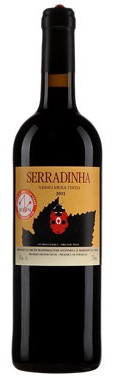 Vinho Mesa Tinto 2011, Quinta da Serradinha ($23.70, 13286861)
A blend of Baga (35%), Castelão (30%), Touriga Nacional (20%) and Alfrocheiro (15%) from organically farmed vines planted in 1954 on the limestone slopes of the Serra de Aire massif, near Leiria, about 20 km from the temperature-moderating Atlantic. Manually harvested. The destemmed grapes are placed in open vats and foot-trod three times a day. Fermentation lasts 10 days. Matured two years in neutral oak barrels. Unfiltered and unfined. An embossed ladybug (joaninha in Portuguese) sits atop the bottle’s capsule, invariably prompting a second look. Reducing sugar: 1.8 g/l. 13% ABV. Quebec agent: Rézin.
Unusual, intriguing nose: slightly candied plum and black raspberry, fragrant blossoms (peony?) and camphor-like fresh herbs. There’s some ink or slate in there too. In the mouth, it’s medium- heading toward full-bodied. The dark flavours (plummy fruit, slate dust, old wood) and grainy density are riddled with – almost contradicted by – zingy acidity. While the tannins seem roundish and resolving at first, a fine astringency fills the mouth and lingers long after the flavours have disappeared. Earthy yet light on its feet, this smoothed and sweetened as it breathed, so it’s definitely carafable. Cool-climate Portuguese wines clearly merit further investigation. (Buy again? Sure.)
The return of a favourite
 Emilia Rosso 2015, Trebbiolo, La Stoppa ($24.85, 11896501)
A blend of Barbera (60%) and Bonarda (40%) from organically farmed vines ranging up to 25 years old. Fermented with indigenous yeasts. Matured five months in stainless steel. Unfiltered and unfined. A small squirt of sulphur dioxide is added at bottling. Reducing sugar: 1.5 g/l. 13% ABV. Quebec agent: oenopole.
Black raspberry candy, plum, earth, cedar sawdust, leather, slate and a whiff of distant barnyard. Medium-bodied. An almost imperceptible spritziness is apparent after a bite of something acidic. The ripe fruit seems sweet on entry, an impression soon shredded by the trenchant acidity, light but drying tannins and savoury flavours. Spice, dried herbs and minerals colour the mildly astringent finish. Perhaps a tad lighter and less rustic than the classic 2014 but still authentic, food-friendly* and fun. (Buy again? Yep.)
*As I said about the 2014: “Virtually begs for casual fare – think pizza, sausages, grilled pork – and can handle tomato with aplomb. Just don’t serve it too warm.” My bottle made a perfect pairing for cubed pork shoulder browned in olive oil and stewed with a whack of smothered onions, garlic, dried chile, white wine and San Marzano tomatoes, with cooked black-eyed peas added for the last half hour of simmering.
Champagne naturally
Champagne, Fidèle, Vouette et Sorbée ($87.47, private import, 6 bottles/case)
This is nearly all 2014 except for a dollop (about 5%) of reserve wine from a solera-type system started in 2001. A blanc de noirs: 100% Pinot Noir from 30-year-old biodynamically farmed vines from several parcels but all rooted in Kimmeridgian marl. The manually harvested grapes are gently pressed. The free-run juice is transferred to 400-litre oak casks for fermentation (with indigenous yeasts) and maturation. Undergoes malolactic fermentation. Indigenous yeasts are used for primary and secondary fermentation. Matured 10 months in used Meursault barrels. The bottled wine is aged on its lees on lattes and riddled on racks for around 15 months. No dosage. Sulphur dioxide is added to the incoming grapes but not at bottling. 12% ABV. Quebec agent: Rézin.
A white wine but with a rosé cast. Intriguing nose of distant strawberry, fired minerals and “garlic brioche.” Fine, non-aggressive bubbles, pure fruit, silky acidity and an unmissable mineral depth. Long flavourful finish with lingering rhubarb crème brûlée. Absolutely not an aperitif wine, rather one to open ahead of time, maybe even carafe, and drink with food. (Buy again? Yes.)

Champagne, Extra Brut, Blanc d’Argile, Vouette et Sorbée ($114.58, private import, 3 bottles/case)
A blanc de blancs: 100% Chardonnay from biodyanmically farmed vines planted in 2000 in a single plot. The vines – massale cuttings from Jacques Sélosse and Vincent Dauvissat – were planted “wild” (directly in the unprepared clay and Kimmeridgian limestone soil). Manually harvested. Fermented and sparkled with indigenous yeasts. The still wine is matured 18 months on the lees in oak casks. Undosed. 12% ABV. Quebec agent: Rézin.
Dried apple, yeast, icing sugar and a faint, nougaty oxidative note. Fine, caressing bubbles. Smooth, caressing acidity. Browning apple upfront, apple Danish and salty seashells on finish. Still a baby. Clean, tonic and bracing, this cuvée lives up to its reputation of being a Chablis with bubbles. As a group, champagne is arguably the most overpriced wine in the world; that said, this delivers exceptional if relative QPR. (Buy again? Yes.)
The first time I tasted them, Vouette et Sorbée’s champagnes did not impress. Subsequent encounters, which have mostly involved bottles laid down a few years, have been much more positive and I now rank the house among my favourite producers.
MWG August 11th tasting: flight 9 of 9
The Dovecote and the Boar
Rosso Toscano 2010, Colombaia ($36.73, private import, 6 bottles/case)
The estate’s name translates as dovecote. This is a blend of Sangiovese (80%), Malvasia Nera (10%), Colorino (5%) and Canaiolo (5%) from biodynamically farmed 40-year-old vines planted in fossil-rich clay soil. Manually harvested. Macerated on the skins and fermented with indigenous yeasts in concrete tanks. Matured 18 months in 26-hectolitre Slavonian oak botti. Unfiltered and unfined. A tiny dose of sulphur dioxide is added at bottling. 13% ABV. Quebec agent: Rézin.
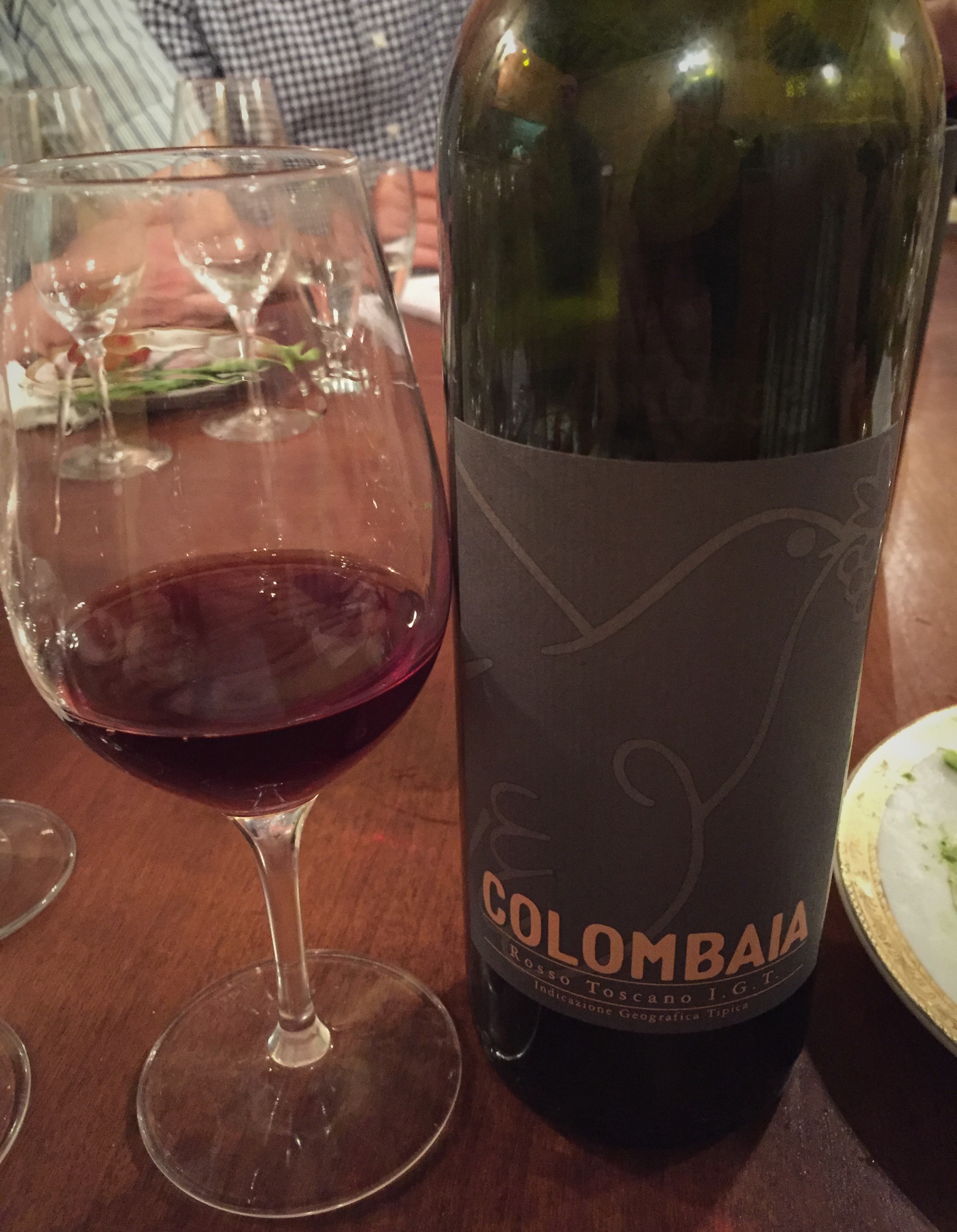
Initially odd nose (“a weird mix of bubblegum and asphalt”) that eventually settled down into a classic bouquet of cherry, black cherry, tar, leather, “rose,” ink, beet and sawed wood. Medium-bodied and fluid in the mouth. The ripe fruit floats on a steady stream of smooth acidity while the supple, resolving tannins have enough torque to give some grain to the otherwise silky texture. A faint rumbling of minerals is joined by incipient tertiary notes on the long finish. Well balanced, true to the grape, speaking of its place and probably at or near peak. Roasted boar, anyone? (Buy again? Yep.)
MWG August 11th tasting: flight 8 of 9
Bonhomme seul
A former apprentice at Clos du Tue-Bœuf, Pierre-Olivier Bonhomme ran a négociant business with his friend, Tue-Bœuf’s Thierry Puzzelat. In 2014, following the retirement of his brother Jean-Marie, Thierry began devoting himself full time to Tue-Bœuf and sold all his shares in the négoce to Pierre-Olivier. The wines are now labelled with only Bonhomme’s name. All the grapes are from vines owned by friends; Pierre-Olivier either purchases the grapes outright or rents the vineyards. The farming is organic but uncertified as such.
Touraine 2015, La Tesnière, Pierre-Olivier Bonhomme (ca. $31, private import, NLA)
Menu Pinot (aka Arbois, 80%) and Chenin Blanc (20%) from co-planted vines grown in flinty clay over hard limestone near the hamlet of La Tesnière. Fermented with indigenous yeasts in 228- and 500-litre vats. Matured 12 months in barrel. Sulphur use is kept to a minimum. 12.5% ABV. Quebec agent: Rézin.
Pear, apple, beeswax and powdered ginger on the effusive nose. Complex and layered in the mouth. The rich fruit and mineral substrate are brilliantly illuminated by fluent acidity. The silky texture lasts well into the long finish with its lingering hints of vanilla caramel. A delicious, complete wine that Steve declares “the best ever.” (Buy again? Yes.)


Touraine 2014, KO, In Côt We Trust, Pierre-Olivier Bonhomme (ca. $27, private import, NLA)
Côt (aka Malbec) and nothing but. Manually harvested. Fermented on the stems with indigenous yeasts. No added anything, including sulphur. Unfiltered. 12% ABV. Quebec agent: Rézin.
Intriguing nose of dark fruit, “wet clay,” “withered flowers” (including rose), ink and “raw doner.” Light- to medium-bodied yet surprisingly intense. A swirl of forest berries, dark minerals and fleet acidity overtoned with spice and leafmould. The long, tart, earthy finish has you craving another sip. The quaffability quotient is dangerously high. (Buy again? Yes.)
MWG August 11th tasting: flight 7 of 9
Fun
Québec 2016, Bonbonbulles, Les Pervenches (ca. $21)
This pet-nat (ancestral method sparkler) is a blend of Zweigelt, Frontenac and Chardonnay from organically farmed vines. 10.5% ABV. During its short window of availability, it could be purchased at the winery, at a few area food stores specializing in local products (e.g. Dans la côte, Fromagerie Hamel) and through the Quebec agent, La QV.

Slightly hazy strawberry pink. Wafting nose of straw, cherry, cranberry, “hibiscus kambucha,” hints of yeast and lees and a whiff of volatile acidity. Light and dry in the mouth, with fine, persistent bubbles, zingy acidity and ethereal fruit. The leesy kambucha note lasts into the sweet-tart finish. Fun and refreshing. Jambon de Bayonne really brings out the fruit. (Buy again? Def.)
MWG August 11th tasting: flight 6 of 9

 Brett happens