Three Macedonian flagships
The Macedonia in question is the region of northern Greece, not the Republic of Macedonia.
Epanomi 2014, Avaton, Domaine Gerovassiliou ($40.25, 11901111)
A blend of Limnio (40%), Mavroudi (40%) and Mavrotragano (20%). Manually harvested. Fermented in neutral barrels. After malolactic fermentation is completed, the wine is transferred to French oak barrels (50% new) for 18 months’ maturation. Reducing sugar: 3.0 g/l. 13.5% ABV. Quebec agent: Le Maître de Chai.
Nose of very ripe black raspberry, dark cherry and plum overtoned with earth and spice. Full-bodied and dry. Full of jammy, sweet fruit. Round tannins and smooth acidity provide some structure and texture. Gains meat and spice notes on the mid-palate and chocolate on the long finish. A bit heavy and unrelenting: probably better in four or five years but also probably never refreshing. Seems bigger, more modern and more international in style than some earlier vintages. (Buy again? Maybe next vintage.)

Macedonia 2015, Terre et Ciel, Domaine Thymiopoulos ($31.25, 11814368)
100% Xinomavro from three parcels of organically farmed 45- to 75-year-old vines. Manually harvested. Fermented in stainless steel vats with native yeasts. Matured in a mix of Burgundy barrels (20% new). Bottled unfiltered, unfined and with a small squirt of sulphur dioxide. Reducing sugar: 3.6 g/l. 14% ABV. Quebec agent: oenopole.
Complex, savoury, evolving nose of “wine gums,” “soy sauce,” “pickled beets” and coffee beans segueing into cherry, “Worcestershire” and, unfortunately, a streak of volatile acidity that wouldn’t dissipate. Smooth and more medium- than full-bodied in the mouth. Good balance between ripe fruit, bright acidity, round tannins and mineral depth. Still, we couldn’t shake the feeling that this was a little off. Bottles opened before and since have been clean and more interesting. (Buy again? Based on other bottles, yes.)
Amyndeon 2012, Xinomavro Reserve, Vieilles Vignes, Alpha Estate ($33.00, 11902940)
100% Xinomavro from 91-year-old vines rooted in sandy clay over limestone. Manually harvested. Destemmed, lightly crushed and cold-macerated. The tank is gradually heated, prompting fermentation to begin. Matured 24 months in French oak casks and 12 months in the bottle. Unfiltered and unfined. Reducing sugar: 4.6 g/l. 14.5% ABV. Quebec agent: Univins.
Deep nose: dark fruit, graphite, smoked meat spice and meat, among other things. Full-bodied though unheavy, quite structured though round. The plummy fruit is spiced with star anise, framed by cushy tannins, enlivened by acidity. A “butter cookies” note enriches the long finish. An elegant wine in the prime of its life. (Buy again? Sure.)
MWG July 27th tasting: flight 6 of 7
The Pélican brief
The germ of the idea for Domaine du Pélican, the Jura offshoot of Burgundy’s renowned Domaine Marquis d’Angerville, was a bottle of Stéphane Tissot’s 2005 Arbois Chardonnay “Les Bruyères” that Guillaume d’Angerville tasted blind at a Paris restaurant in 2007. D’Angerville had asked the sommelier to bring him a bottle of something not from Burgundy. On tasting the wine, he declared the sommelier had not followed his instructions and was dumbstruck when the bottle was unveiled.
So impressed by the wine was he that d’Angerville began searching for vineyards in the Jura. In 2012, he leased the Chateau de Chavanes in Montigny-les-Arsures, gaining access to five hectares of biodynamically farmed vines. The estate’s holdings were later expanded by two acquisitions of organically farmed vines: five hectares from Jean-Marc Brignot and, in 2014, four hectares from the retiring Jacques Puffeney.
The estate, whose name and label are inspired by the Arbois coat of arms, currently makes and sells four wines, all vinified à la bourguignonne, in the Burgundian style, by which d’Angerville means non-oxidized. The estate’s first oxidized wine, a vin jaune, is slated for release in 2022.
Arbois 2015, Savagnin Ouillé, Domaine du Pélican ($49.25, 13265041)
100% organically farmed Savagnin primarily from two parcels (Barbi and Grand Curoulet) of Jurassic marl and terre de gryphées. Manually harvested. Lightly crushed then whole-cluster pressed. Fermented in stainless steel and matured 10 months, mostly in neutral 350-litre barrels. which are regularly topped-up (ouillé) to prevent oxidation. 12.5% ABV. Quebec agent: Séguin et Robillard.
Striking nose of lemon, green apple, quartz and, per other tasters, “terroir smoke” and “deviled eggs.” Fresh and vibrant in the mouth, with an elegant texture, impressively pure fruit, brilliant acidity, great minerality and every dimension. Long, racy and complete. The kind of commanding unullaged Savagnin that floats my boat. (Buy again? Yes but…)
Arbois 2015, Chardonnay, Domaine du Pélican ($49.25, 13265032)
100% organically farmed Chardonnay from the Barbi vineyard and three other parcels. Mainly limestone with clay and marl. Wine-making is as for the Savagnin. 12.5% ABV. Quebec agent: Séguin et Robillard.
Subtle nose: faint orchard and stone fruit, hints of oat and “flowers changing to chalk.” In the mouth, it’s smoother and more buttery, less marked by acidity than its flightmates. There’s real complexity, including a vein of minerality that lasts into the long finish. So elegant and still evolving. Excellent but needs five to 10 years. (Buy again? Sure but…)

Arbois 2015, Poulsard, Domaine du Pélican ($52.25, 13314113)
The first vintage of the wine. 100% Poulsard entirely from the Puffeney vineyards. The wine-making was guided by Puffeney. Manually harvested. Fully destemmed. Fermeneted in vats. Matured 10 months in 228-litre oak barrels. 12.5% ABV. Quebec agent: Séguin et Robillard.
Complex nose of “cranberry,” “earth,” spice, prosciutto fat, undergrowth and slate. Light- to medium-bodied. The ripe if ethereal fruit is structured by gossamer tannins and racy acidity. The layers – veils is perhaps the better term – of flavour bestow a certain depth. Long, minerally, old-woody finish. Fresh, fleet and wonderfully pure. Poulsard is sometimes done in a rustic style but not here. So engaging. “Effing good.” (Buy again? Yes but…)
Arbois 2015, Trois Cépages, Domaine du Pélican ($49.25, 13265083)
A PPT, i.e. a blend of Pinot Noir (65%), Poulsard (30%) and Trousseau (5%). Wine-making is as for the Poulsard, though without Puffeney’s input. 12.5% ABV. Quebec agent: Séguin et Robillard.
Outgoing nose of “strawberries,” “tart cherries,” “a bit of meat“ and “nutmeg.” Medium-bodied and more structured than the Poulsard. Again, the fruit is remarkably pure but here framed by light, torquey tannins and sleek acidity. Good length and balance. Young but already showing some complexity. Impeccable. (Buy again? Sure but…)

This was my first encounter with Domaine du Pélican’s wines. Going in, I’d wondered whether they’d taste more Burgundian than Juraassien. They didn’t. While you’ll have to look elsewhere for the rusticity and funk found and prized in some Jura wines, there’s no denying that these could come from nowhere but the Jura and that the Savagnin and Poulsard are textbook examples of the grapes and style.
Why the buy-again buts then? The price. Nearly everyone around the table said they’d plunk for one or more of the wines if they were in the $30 to $40 range but not at $50. My memories of the Savagnin and Poulsard are so vivid and compelling that I’ve come close to splurging on a bottle of each. And then I remember that the 2013 Puffeney Poulsard retailed for $31.50 a bottle (and that was through the higher-markup private import channel), making it hard not to conclude that Domaine du Pélican is charging Burgundy prices for Jura wines, that you are, to some degree, paying through the nose for a name. Maybe that’s why, however outstanding they may be, all the wines in this limited release remain available more than two months after the release date.
MWG July 27th tasting: flights 4 and 5 of 7
Bargain Branco
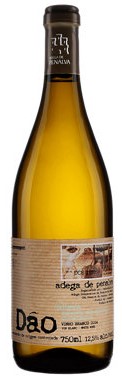 Dão 2016, Indigena, Adega de Penalva ($11.25, 12728904)
A blend of Encruzado (40%), Cerceal Branco (30%) and Malvasia Fina (30%) from vines rooted in sandy soil over schist and granite. Farming is sustainable converting to organic. Manually harvested. The more aromatic varieties are macerated overnight. After pressing, the juice is fermented in stainless steel tanks and bottled early in the year following the vintage. Reducing sugar: <1.2 g/l. 12.5% ABV. Quebec agent: La QV.
Wafting, aromatic nose of pear compote, white spice, white flowers, chalk and a little sap. In the mouth, it’s unctuous but not heavy, redolent of white orchard fruit, white grape juice and eventually citrus. At first you wonder whether the wine isn’t too soft but as it breathes and your palate adjusts, the unaggressive acidity and thin vein of quartzy minerals form a definite if pliant backbone. A thin thread of bitterness runs throughout and is joined by a faint honey note on the dry finish. Gains presence as it warms from fridge temperature, so don’t serve it too cold. The price is unbelievably low for a wine of this quality and character. Some might enjoy this as an aperitif, though I tend to like a sharper white in that role. Seems like a natural for simply prepared cod or soft Portuguese cheeses. (Buy again? Sure.)
Rebel without applause
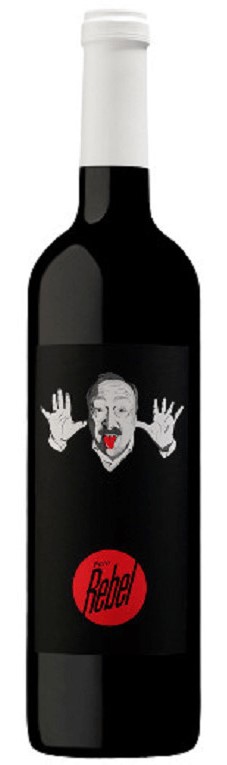 (More like without wild applause actually but the pun was irresistible.) As much as I appreciate swimmers against the current, the label’s bad boy posing almost convinced me to buy something else. On the other hand, I was making a Portuguese dish (pork chops pan-fried with whole garlic cloves and lemon wedges), was in the mood for a light red and this bottle from the father of Filipa Pato, whose wines I’ve enjoyed in the past, was the only Portuguese red at my local SAQ that was under 13%.
Beira Atlântico 2015, Pato Rebel, Luis Pato ($21.50, 13184419)
Baga (90%), Touriga Nacional (9%) and Bical (1%). The idea being to tame the ferociously tannic Baga, the grapes are macerated only briefly and fermented in temperature-controlled tanks. Reducing sugar: 1.7 g/l. 12.5% ABV. Quebec agent: Pot de vin.
Blackberryish fruit, iron, dried blood, dark chocolate, background fern and bog. Medium-bodied and supple. The ripe fruit quickly fades leaving minerals and earthy savour but not a lot else. Structured by fresh acidity and fine tannins that swell astringently on the super-dry finish. Slate, old wood, old leather and vine sap linger. Somewhat austere and not particularly deep but a perfectly good food wine. Not beguiling though unlike anything else and involving in its somewhat inscrutable way. (Buy again? Sure.)
My mother’s cousin’s kitchen…
…or something like that.
Life – well, work – will prevent me from posting the next instalments of the July 27th MWG tasting for another day or two. In the meantime, a heads-up on a new arrival that’s disappearing fast.
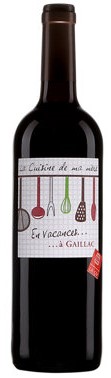 Gaillac 2016, La Cuisine de ma mère… En vacances à Gaillac, Nicolas Grosbois ($20.50, 13349800)
Nicolas Grosbois is based in Chinon. In most vintages, his entry-level wine, a drink-now Cabernet Franc, is called La Cuisine de ma mère. In 2016, however, having lost nearly all his harvest to bad weather, he decided to source grapes elsewhere. The result is this vin plaisir from Gaillac, which in France appears to be marketed as La Cousine de ma mére and comes in a Burgundy bottle. Duras (25%), Merlot (25%), Braucol (aka Fer, 25%) and Syrah (25%) from organically farmed vines. Manually harvested. Short maceration. Fermented with indigenous yeasts. Barely sulphured. Reducing sugar: 1.5 g/l. 13% ABV. Quebec agent: La QV.
Fun nose of black and sour cherry segueing to plum, slate, papier d’Arménie and dried wood. In the piehole, it’s medium-bodied and supple, packed with ripe-sweet fruit atop a gravelly substrate. Souring acidity adds intrigue, slender tannins turn a little raspy on the finish. Hints of stem, old wood, red licorice, incense and faint burnt caramel linger. Nothing profound but food-friendly and ultra-drinkable, like a lip-smacking Beaujolais with extra savour and a bit of torque. (Buy again? Absolutely.)
Here’s hoping Grosbois has a great 2017 vintage in Chinon but also continues making this Gaillac!
A double dose of Tempranillo Blanco
Grape vines are prone to mutating and winemakers prone to taking advantage of the results. One not uncommon example is red grape vines that mutate into white grape vines. Henri Gouges has a famous row of white Pinot Noir vines, propagated from an offshoot discovered in the 1940s, whose white berries are vinified to make a blanc de blancs (as opposed to a blanc de noirs, a white wine made from red grapes by minimizing the juice’s contact with the pigments in the skins). Tempranillo Blanco, a white mutation of Spain’s iconic red grape, was discovered in 1998 in Rioja Baja. (A grey-berried mutation called Tempranillo Royo or Tempranillo Gris has also been found in Toro.) After several years’ work to stabilize the variety, Tempranillo Blanco was authorized for use in white Rioja in 2004. Under the appellation rules, the grape can be used on its own or in blends, with Viura (aka Macabeo) generally considered the best blending partner. Two monovarietal Tempranillos recently showed up at the SAQ and we gave them a try.
Rioja 2016, Alto Cantabria, Inspiración, Valdemar ($19.90, 12591821)
100% Tempranillo Blanco sourced from the Alto Cantabria estate. The estate claims this was the first wine made from the grape; Jancis Robinson’s Wine Grapes says that honour goes to Ijalba. Fermented and matured on the lees in temperature-controlled (16°C) stainless steel tanks. Reducing sugar: 1.4 g/l. 13.5% ABV. Quebec agent: Oneo.
Odd but not unappealing nose of “cotton candy,” “peanuts,” “salty bread,” “Bazooka gum” and apple. Medium- to full-bodied. Dry but ripe-fruity (pear and pineapple), even juicy, with a salty mineral undercurrent and just enough acidity. Tasters note “tea tree” and “cucumber” on the sustained finish. Clean, savoury and involving, delivering a mouthful of flavour for under 20 bucks. Several around the table said they intended to buy this. (Buy again? Sure.)

Rioja 2016, Tempranillo Blanco, Edición Limitada, Rioja Vega ($22.50, 12489157)
100% Tempranillo Blanco. After alcoholic fermentation, the wine spent six months on the fine lees in French oak barrels. Reducing sugar: 1.4 g/l. 13.5% ABV. Quebec agent: Importation Épicurienne.
Minerals, apple, ash and preserved lemon mark the nose. In the mouth, it’s full-bodied, rich and round. The fruit tends to white pear and apple with tropical and citrus overtones. The oak adds spice but also calls attention to itself, especially on the long finish. Not exactly refreshing and probably best thought of as a food wine, though fans of big, New Worldish wines might feel differently. (Buy again? Unlikely.)
MWG July 27th tasting: flight 3 of 7
Blank slate
Burgenland 2014, Weisser Schiefer, Winebau Uwe Schiefer ($24.35, 13349543)
A former sommelier turned winemaker, Uwe Schiefer, whose last name means slate in German, has earned the reputation of a bad boy of Austrian wine. Located in southern Burgenland, his eponymous estate focuses on Austrian varieties, in particular Blaufränkisch. As of a few years ago, it was said to be organic converting to biodynamic though I’ve not found any recent information about that. The grapes for this “white slate” blend of Welschriesling (90%), Grüner Veltliner (5%) and Pinot Blanc (5%) came from vineyards in the Eisenberg, Hannersdorf and Kohfidisch DACs. Fermented with indigenous yeasts in large wood vats. Malolactic fermentation and maturation on the lees in neutral barrels lasted 11 months. Unfiltered. 12% ABV. Quebec agent: Tocade.
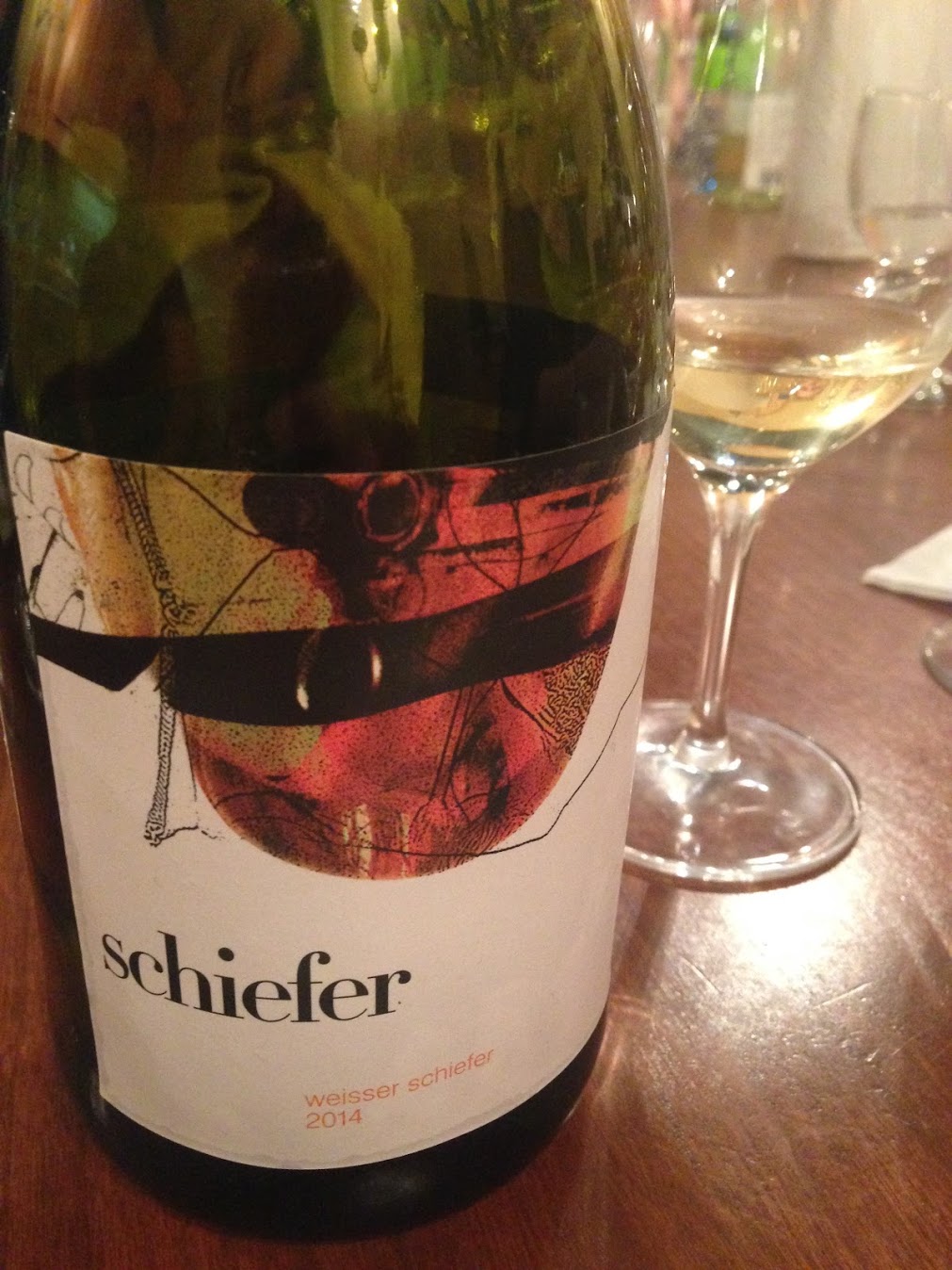
A faint reductive note blows off, leaving a distant, elusive nose that has the assembled tasters grasping for descriptors: “yogurty stuff,” “wet fur,” “sour grape,” “quince.” Shows a similar lack of presence in the mouth, the texture watery (“lacks glycerol” notes one taster), the acidity incognito and the flavours bland, a final hint of marzipan being the only exception. Chewing reveals minerals, pith, stone fruit and a little more dimensionality. Tasted the next day, the tail end had lost whatever mojo it once had. Something of a wallflower, then. Passing through a phase? Proof that, on its own, Welschriesling is, as some claim, best suited for sweet, botrytized wines? In any case, only two of us were intrigued enough to say we’d buy another bottle. In the past, the group has been impressed by Schiefer’s reds (April 2016, February 2012) but this didn’t generate anywhere near the same excitement. (Buy again? Maybe. Or maybe wait for the next vintage.)
Cidereal
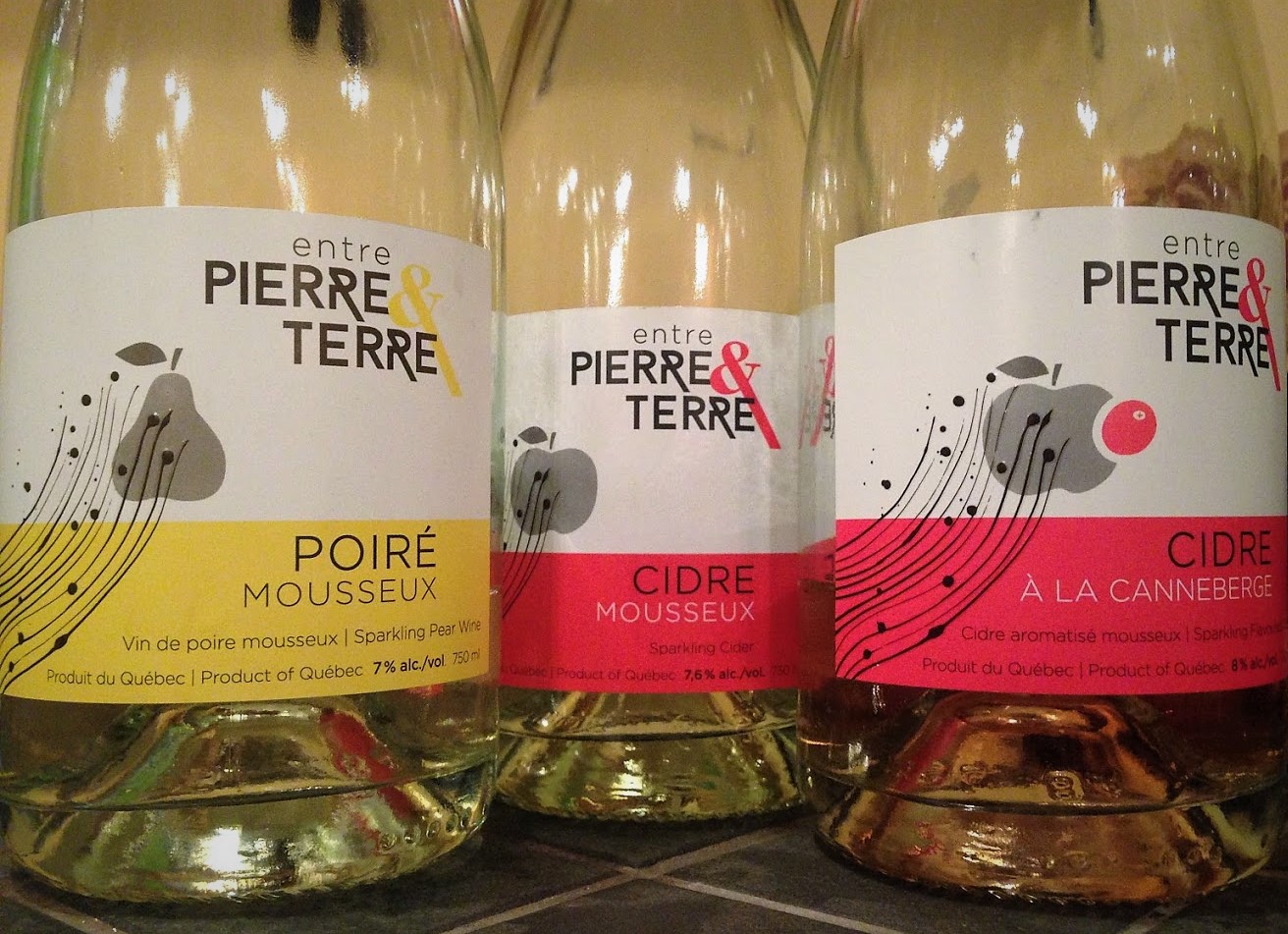
Located in Franklin, Quebec, and founded in 2010, Entre Pierre et Terre is run by the husband and wife team of Loïc Chanut and Michelle Boyer. An oenologist by training, Chanut began working at La Face cachée de la pomme and for a while was a partner in Domaine des Salamandres. Production is limited to a range of still and sparkling apple and pear ciders, still fruit wine and apple-based vermouth. Cortland, Golden Russet and Macintosh are the estate’s backbone apple varieties though trials are being conducted with others, including some old northern French varieties. All the sparklers are made using the traditional method.
Poiré mousseux, Entre Pierre et Terre ($19.95, 12120579)
A pear cider made from mid-season fruit. The juice takes several weeks to ferment. Matured and sparkled in the bottle for a minimum of nine months. Sulphur use is limited to a small shot at disgorging. Reducing sugar: 27 g/l. 7% ABV. Quebec agent: Rézin.
Applesauce, pear compote and hay stubble. Fine effervescence. The flavour is clearly though not intensely pear, with a bit of white pepper adding intrigue. Clean and verging on off-dry but drying on the finish. While it’s a tad sweeter than I remember earlier bottles being, it’s still a pleasant sipper. (Buy again? Sure.)
Cidre mousseux, Entre Pierre et Terre ($18.90, 11957043)
The apples for this cider are harvested over two months, then pressed together. The juice is concentrated by exposure to the cold of winter. Primary and secondary fermentation (the latter in bottles on lattes) last a minimum of 10 months. Reducing sugar: 18 g/l. 7.6% ABV. Quebec agent: Rézin.
A nose more subtle than the poiré’s: green pear and apple. Dryish and elegant in the mouth, the effervescence understated. A mineral streak joins the savoury fruit joined while smooth acidity keeps things lively. Clean finishes. (Buy again? Sure.)
Cidre à la canneberge, Entre Pierre et Terre ($16.25, 12030291)
Cranberries are macerated in the cider before bottling. The bottles spend at least nine months on lattes before disgorging. 8% ABV. Quebec agent: Rézin.
Fresh and baked apple, wild red berries and a hint of cheese. Clean and not especially fruity. Dry with bright, even trenchant acidity. A faint saline undertow lasts well into the long finish. Somewhat to my surprise, the most complex and nuanced of the trio. Would make an excellent Thanksgiving aperitif and could probably continue right on through the meal. (Buy again? Yes.)
MWG July 27th tasting: flight 1 of 7
Cook’s Chard
 The latest installment in the ongoing search for a white wine that’s affordable enough for cooking and good enough for the cook to sip while doing the mise en place.
Côtes de Gascogne 2016, Chardonnay, Domaine La Hitaire ($10.20, 12699031)
The estate’s 110 hectares of vineyards are located in the hills around Eauze, capital of the Bas-Armagnac region in the Gers department. (The producer also makes armagnac under the Château du Tariquet label.) Technical information for this wine appears to be non-existent and there’s probably a reason for that. This much is clear: it’s 100% Chardonnay and part of the wine is matured in French oak barrels. Screwcapped. Reducing sugar: 3.3 g/l. 12% ABV. Quebec agent: Mosaiq.
Pleasant nose of subtle tropical fruit, lemon, chalk and a hint of green. On the lighter side of medium-bodied. Round and fruity (though not exuberantly) on the attack, drying as it moves through the mouth. A dusting of minerals adds interest while hints of vanilla and a touch of bitterness colour the peach-scented finish. Not particularly deep, long or memorable but fresh and fluid – not galpumphing – and it doesn’t taste industrial. (Buy again? Sure though not in preference to its cheaper, fresher, more characterful Les Tours sibling).
Wowzer
 Juliénas 2016, Rézin Collection, Lapierre + Pacalet Cousins ($29.90, 13286802)
Christophe Pacalet and Mathieu Lapierre are cousins (who knew?) and this is, as far as I know, their first joint effort. 100% Gamay from organically farmed 70-year-old vines rooted in the granite and schist of a single parcle on the Côte de Bessay. Vinified in the traditional Beaujolais manner, using carbonic maceration for 30 days. Matured in 228-litre French oak barrels for six months. No added anything, including yeasts and sulphur. Reducing sugar: 2.6 g/l. 12.5% ABV. Quebec agent: Rézin.
Those who pour the first glasses from the bottle complain of an off-putting aroma but, getting around to it 20 or 30 minutes later, I detect nothing of the sort. Instead, a classic if rich Gamay nose of sappy, ripe red berries with a noticeable mineral streak and that typical floral note reminiscent of peonies. In the mouth, the wine is juicy, dense with fruit yet light on its feet. Bright acidity lends just a hint of tartness and the tannins are sleek and pliable. There’s a slatey backdrop but no greenness. Finishes long, clean and lip-smackingly. Wow. Not as obviously structured (and ageable?) as some Juliénases but great for drinking now and over the next few years. Actually, I’d have a hard time keeping my hands off any bottles in my possession. (Buy again? Def.)

 Brett happens