Below the veldt
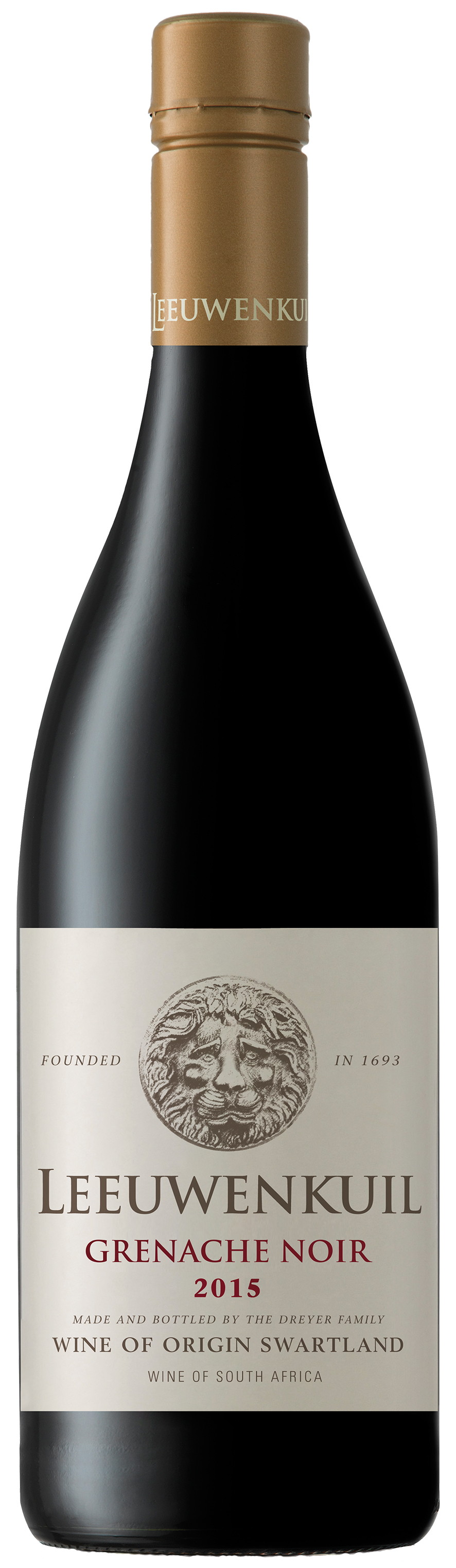 Swartland 2015, Grenache Noir, Leeuwenkuil ($20.00, 13124571)
100% Grenache from old, dry-farmed, bush-trained vines. Yield was limited by reducing the crop to one bunch per shoot. Manually harvested. Alcoholic fermentation on the skins and with indigenous yeasts involved punch-downs and pump-overs. Macerated 20 days on the skins post fermentation. Transferred to 5,000-litre French oak foudres for 14 months for malolactic fermentation and maturation. Reducing sugar: 1.8 g/l. 14% ABV. Screwtop (not cork as per SAQ.com). Quebec agent: Univins.
Likeable nose of red and black raspberry (fresh and jam) dusted with black pepper. Medium-bodied (alcohol notwithstanding). Full of ripe but not heavy fruit. Soft-glow acidity and supple tannins provide just enough structure. Finishes clean and on a peppery note. Not as deep, savoury or flaring as some Rhone Grenaches but not devoid of Grenache character either. A fruit-forward crowd pleaser. I bought this bottle by mistake, thinking it was the same producer’s Cinsault, which I wanted to try with Lattucca‘s most excellent Texas-style barbecue beef brisket and ribs. While the wine was OK with the ‘cue, it’d make a better pairing with less substantial fare, like charcuterie or the winery’s suggestion of venison carpaccio. (Buy again? Maybe.)
QPR CDR
 Côtes du Rhône Villages Signargues 2016, Domaine La Montagnette ($16.40, 11095949)
The grapes are grown by the estate’s owner but vinified, bottled and marketed by the small Vignerons d’Estézargues cooperative. This blend of Grenache (70%), Syrah (20%) and Carignan and Mourvèdre (together 10%) comes from vines grown in clay soil with the smooth stones typical of the former Rhône riverbed. Practices in the vineyard are semi-organic, with chemicals being used only as a last resort. The vines are gobelet-trained and the grapes are picked by hand, destemmed, lightly crushed, fermented at low temperatures and given a long (three to four weeks) maceration. After pressing, the wine is transferred to large barrels for maturation. No additives, including yeasts, except a small amount of sulphur at bottling. Unfiltered and unfined. Reducing sugar: 2.7 g/l. 14.5% ABV. Quebec agent: Rézin.
Delicious, Rhoney nose: red and black fruit (mainly berries), hints of black pepper, violet, spice, leather, leafmould and more. Medium-bodied. Heady but not hot, with a very fluid texture, ripe fruit and plenty of acidity. Light tannins provide an appealing rasp, dark minerals run throughout. A whiff of alcohol lifts the peppery finish while sandalwood and fruit cake linger. Other CDRs may have more depth but few offer this combination of savour, freshness, fleetness and price. A textbook, naturalistic CDR for $16.40, let alone the $14.65 it’s going for during the current promotion ($1 discount plus 750 Inspire points), this has QPR winner written all over it. (Buy again? For sure.)
Soave sia il Veneto…
 Veneto 2015, Masieri, Bianco, La Biancara ($22.20, 12846741)
Founded in 1999, Angeiolino Maule’s nine-hectare estate is located in Gambellara in the foothills of the Soave region. The estate-grown Garganega and Trebbiano grapes in this 80-20 blend come from biodynamically farmed vines rooted in volcanic soil. Manually harvested. Direct pressed. Vinified in stainless steel in small batches. Fermented with indigenous yeasts. No additives except a tiny amount of sulphur at bottling. Unfiltered and unfined. Reducing sugar: <1.2 g/l. 11% ABV. Quebec agent: Labelle Bouteille.
Hazy straw yellow to the eye. Discreet, fresh nose: quartz, sand, distant white fruit and the faintest hint of asafoetida. Leaner than your typical Soave: less pear, more lemon along with some green apple and a touch of lees. Smooth, transparently integrated acidity. Lots of chalky minerals and a faint almond overtone from the mid-palate on, joined by hints of watermelon fruit, rind and seeds on the bitter-tinged finish. A subtle, nuanced wine – a pleasure to spend time with – and a QPR winner. This bottle was singing from the get-go but others have needed several minutes of breathing to find their voice, so carafing is advisable. (Buy again? Definitely.)
(Musical accompaniment and origin of the title’s pun: Così fan tutte: “Soave sia il vento” – Mozart.)
Jaune and jauneish
Vin de France 2011, 3.11, Bertin-Delatte ($38.25, private import, 6 bottles/case)
Founded in 2008, the three-hectare estate is based in Rablay-sur-Layon. This 100% Chenin Blanc is from organically farmed young vines. The grapes, which normally would have been used for the flagship L’Échalier bottling, are harvested by hand and gently pressed. Barrel-fermented and -matured. The barrels were not topped up and a veil of yeast formed on the surface, much like on a vin jaune. This one-off experiment spent five years in the barrel. Unfiltered and unfined. Sulphur is minimal. Three barrels (800 bottles) were made; that and the last two digits of the vintage explain the name. 13.5% ABV. Quebec agent: WINO.
Typically oxidized nose of nutty yellow fruit but maybe not as complex or opulent as a good vin jaune’s. Lovely on the palate: sleek textured, lightly oxidized, clean fruited and minerally with great acidity, freshness and length. “Très chenin” and “great Chenin character” note other tasters. More than just a curiosity. (Buy again? Yes.)

Côtes du Jura 2009, Vin Jaune, Domaine Pignier ($102.10/620 ml, private import, 6 bottles/case)
Founded in the 13th century and in the hands of the Pignier family since 1794, the estate is located in the commune of Montaigu in the southern Jura. 100% Savagnin from biodynamically farmed vines rooted in clayey calcareous marl with Lias slate. Manually harvested. Fermented and matured in untopped-up oak barrels under a yeast veil for seven years. No added yeast. No chaptalization or racking. Bottled according to the lunar calendar. 13.5% ABV. Quebec agent: WINO.
On the nose, it’s a beautiful, subtle mix of nuts, yellow fruit, straw and white minerals. In the mouth, it’s a perfect balance between the pure fruit, fine acidity and imposing minerality. Not as oxidized as some but elegant, “accessible” and “super fresh.” (Buy again? If feeling flush, yes.)
MWG July 13th tasting: flight 9 of 9
Château Landra, take three
Ventoux 2016, Pur Jus Rouge, Château Landra ($25.86, private import, 12 bottles/case)
Syrah (60%) and Grenache (30%) and Cinsualt (10%) from 45-year-old vines rooted in gravelly alluvial deposits with lots of smooth pebbles and stones. Destemmed, crushed. Fermented (with indigenous yeasts) and matured in stainless steel. Unfined and probably unfiltered. No added sulphur. 14% ABV. Quebec agent: WINO.

Intriguing nose: cherry, black raspberry, “pink peppercorn,” “fresh-cut grass,” “asafoetida” (all per other tasters) and more. Medium-bodied, juicy and, alcohol notwithstanding, unhot. Packed with sweet fruit but far from a bomb. The extract and fine but present tannins give it a plush texture but the streaming acidity eliminates any possibility of heaviness. Long, clean, black pepper-dusted finish. A fresh, dry, savoury, uncomplicated red whose only drawback is that, at 14%, it’s dangerously drinkable. (Buy again? Sure.)
MWG July 13th tasting: flight 8 of 9
Cab Franc three ways
Though they don’t come from a wine-making family, brothers Fabien and Cyril Boisard founded Domaine du Mortier in 1996 when they both were in their teens. Their holdings comprise around 12 hectares of vineyards in Saint-Nicolas-de-Bourgueil and a recently acquired three hectares in Bourgueil. Farming is organic-leaning-biodynamic, harvesting is by hand and none of the wines is chaptalized.
Saint-Nicolas-de-Bourgueil 2015, Les Sables, Domaine du Mortier ($27.23, private import, 12 bottles/case)
100% Cabernet Franc from seven parcel of mostly young vines in sandy soil. Whole-bunch fermentation takes place in 70 hl concrete vats. Lees from earlier vintages are used to start the fermentation. Pump-overs with minimum oxygen uptake are performed for five or 10 minutes a day. Matured on the lees for about six months. Unfiltered and unfined. A tiny amount of sulphur (16 mg/l) is added at bottling. 12.27% ABV. Quebec agent: WINO.
Red and black berries, coffee, dried meat, slate, pepper, distant barnyard. Medium-bodied and so very drinkable. A mouthful of tart fruit, dark minerals, lively acidity, super-supple tannins. Dry and wonderfully pure. Nothing deep or complex (a function of soil and vine age), just good, clean fun. The easiest-drinking Cabernet Franc I’ve encountered in a coon’s age. (Buy again? Done!)

Saint-Nicolas-de-Bourgueil 2014, Dionysos, Domaine du Mortier ($32.89, private import, 6 bottles/case)
100% Cabernet Franc from 30-year-old vines rooted in gravel over tuffeau. Manually harvested. Gently destemmed, gently pressed and given around 25 days’ maceration on the skins. Barrel-fermented using indigenous yeasts. Matured eight months in old oak barrels. 13.35% ABV. Quebec agent: WINO.
Darker nose of red berries and slate with meat and vegetal notes. Full and round in the mouth, packed with remarkably juicy fruit. Firm tannins bestow a velour-like texture, bright acidity a bit of a bite. The bedrock minerality rumbles through the long, spicy finish. The winemakers feel this often needs a couple of years before it hits its stride and drinks well for six to eight years beyond that. (Buy again? Yes.)
Vin de France 2014, 180 jours, Domaine du Mortier ($63.79, private import, 6 bottles/case)
VdF because the brothers feel it wouldn’t be accepted by the AOC authorities and because it leaves them free to supplement Saint-Nicolas grapes with fruit from their holdings in Bourgueil. Cabernet Franc from 60- to 70-year-old vines in tuffeau. Whole-bunch fermented and macerated in old barrels for 180 days, with the barrel being tightly closed, not topped-up and turned once daily during fermentation; after 180 days, the barrel is taken apart so the wine and skins can be transferred to the press. After pressing, the wine is matured in new barrels for another 180 days. Unfiltered and unfined. No added sulphur. 13.5% ABV. Due to the small quantities made, the wine is normally sold only at the winery, a limit of 12 bottles per customer is imposed and, reportedly, none is exported. Bravo to Martin Landry for scoring a few cases for Quebec. Quebec agent: WINO
Much darker and denser than its flightmates. Complex, funky nose: old wood, dark fruit and minerals, “animale,” “green olives,” “the stuff you scoop out of a squash” and more. Rich and dark yet somehow fresh. So complex and layered, so plush and chewy. Superbly structured with velvety tannins, glowing acidity and mineral depth. Great length. Complete, elegant, accessible. A big wine but so not the overextracted monster I was fearing it would be. Just wow. (Buy again? Just yes.)
MWG July 13th tasting: flight 7 of 9
Gamay de soif
Touraine 2015, Gamay, Domaine Courtault Tardieux ($22.45, private import, 12 bottles/case)
After stints as a university student and briefly as a social worker, winemaker Simon Tardieux, who had spent time as a teenager working at the late, lamented Clos Roche Blanche, teamed up with Alain Courtault, a neighbour who had vines and was converting to organic agriculture. Located due east of the Thésée post office and less than a mile from the Cher river, the 15-hecatre estate specializes in vins de soif, thirst quenchers made from Cabernet Franc, Côt, Gamay, Pineau d’Aunis and Sauvignon Blanc. This 100% Gamay comes from organically farmed 50-year-old vines. Manually harvested. Whole-bunch maceration and fermentation took place in stainless steel tanks with indigenous yeasts. A small amount of sulphur dioxide was added at bottling. Bottled in March 2016. 12% ABV. Quebec agent: WINO.
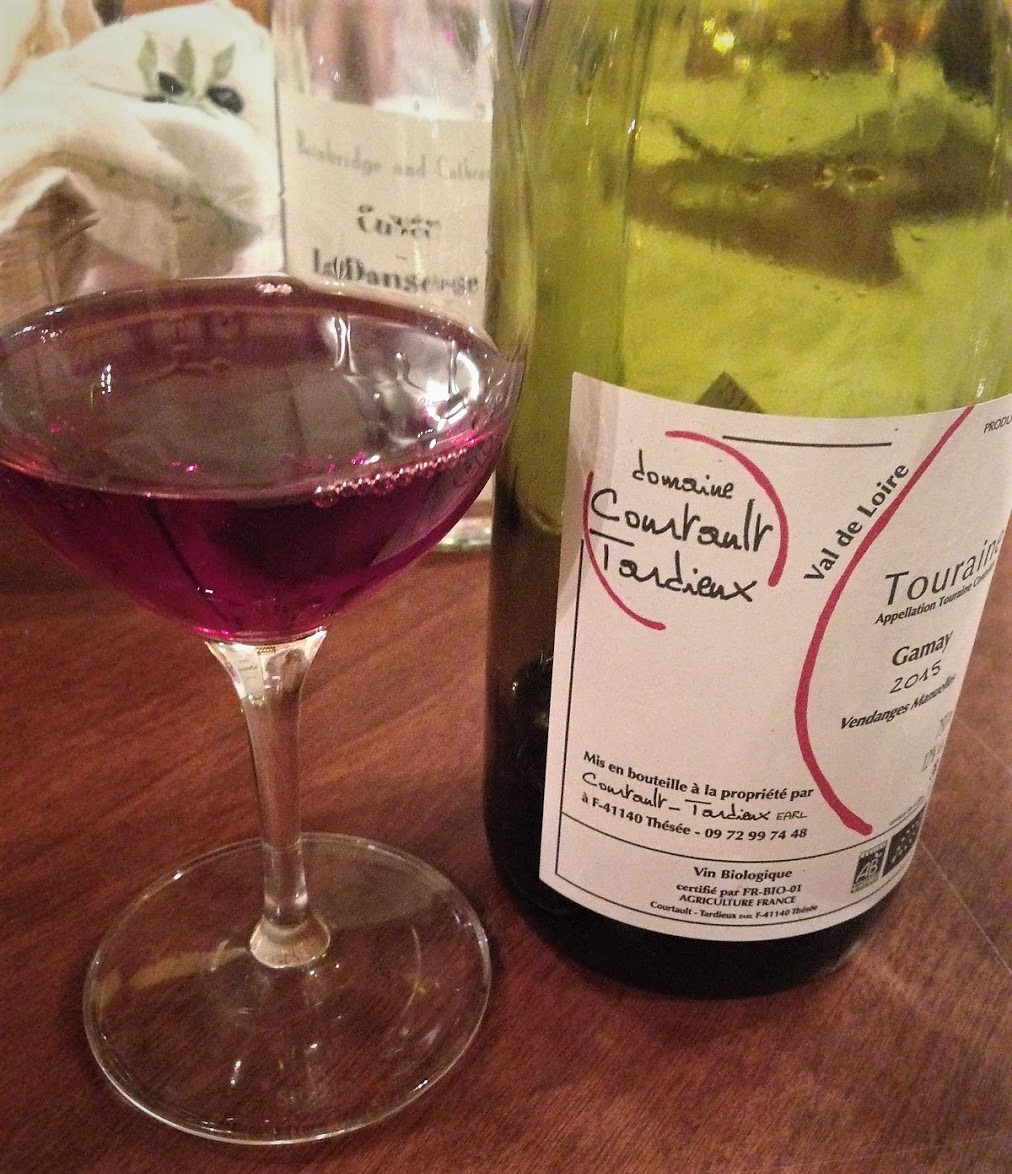
Light, winey, floral nose showing some sour berries and leaves and background funk. Light- to medium-bodied, gauzy tannined and acid bright. Not as plush-fruity as, say, a Morgon, but remarkably minerally and fluid, especially on the mid-palate. A faint lactic note on the finish prompts “cherry yogurt” from one of the assembled. Fresh, clean, tasty and so, so drinkable. Definitely a Gamay but definitely not a Beaujolais. (Buy again? Um, it’s irresistible.)
MWG July 13th tasting: flight 6 of 9
Château Landra, take two
Ventoux 2016, Pur Jus Rosé, Château Landra ($25.86, private import, 12 bottles/case)
Cinsault (70%) and Grenache (30%) from organically farmed vines averaging 15 years old; the blend sometimes includes Syrah but not, it appears, in 2016. Manually harvested. Direct pressed. Fermented with indigenous yeasts at low-temperatures and matured in stainless steel tanks. Lightly filtered. Unfined. No added sulphur. 12% ABV. Quebec agent: WINO.

Watermelon pink. Hard-to-pin-down and initially subdued nose of quartz, “hibiscus,” “pink grapefruit or blood orange,” “Swedish berries” and strawberry. On the palate it’s rich (“really meaty” per one taster) yet fluid, a mouthful of, yes, juicy fruit and crunchy minerals buoyed by smooth acidity. The complex set of savoury flavours, including what I pegged as yeast but another called “a cured meat nuttiness,” lasts well into the finish. Likeable. (Buy again? Sure.)
MWG July 13th tasting: flight 5 of 9
Winey dancer
Vin de France 2015, La Danseuse, Bainbridge and Cathcart ($32.34, private import, 6 bottles/case)
British expat Tony Bainbridge and his American wife Julie worked in wine and ESL in Burgundy before moving to the Loire, where Tony initially held a job at Domaine Mosse. In 2007, with the help of Ali and Rob Cathcart, the couple acquired 4.2 hectares of vineyards in Faye d’Anjou and Chavagnes les Eaux. Total production is around 6,500 bottles. This rosé sparkler is 100% Grolleau from organically farmed grapes. The grapes are manually harvested, given a short maceration on the skins and fermented with indigenous yeasts. Fermentation continues in the bottles, which are riddled and eventually disgorged. Unfiltered, unfined and, like all the estate’s wines, bottled in a clear champagne bottle and closed with a crown cap. The name (“the dancer”) refers to the barrel of wine that, back in the day, a vigneron would set aside for his mistress. 11.5% ABV. Quebec agent: WINO.
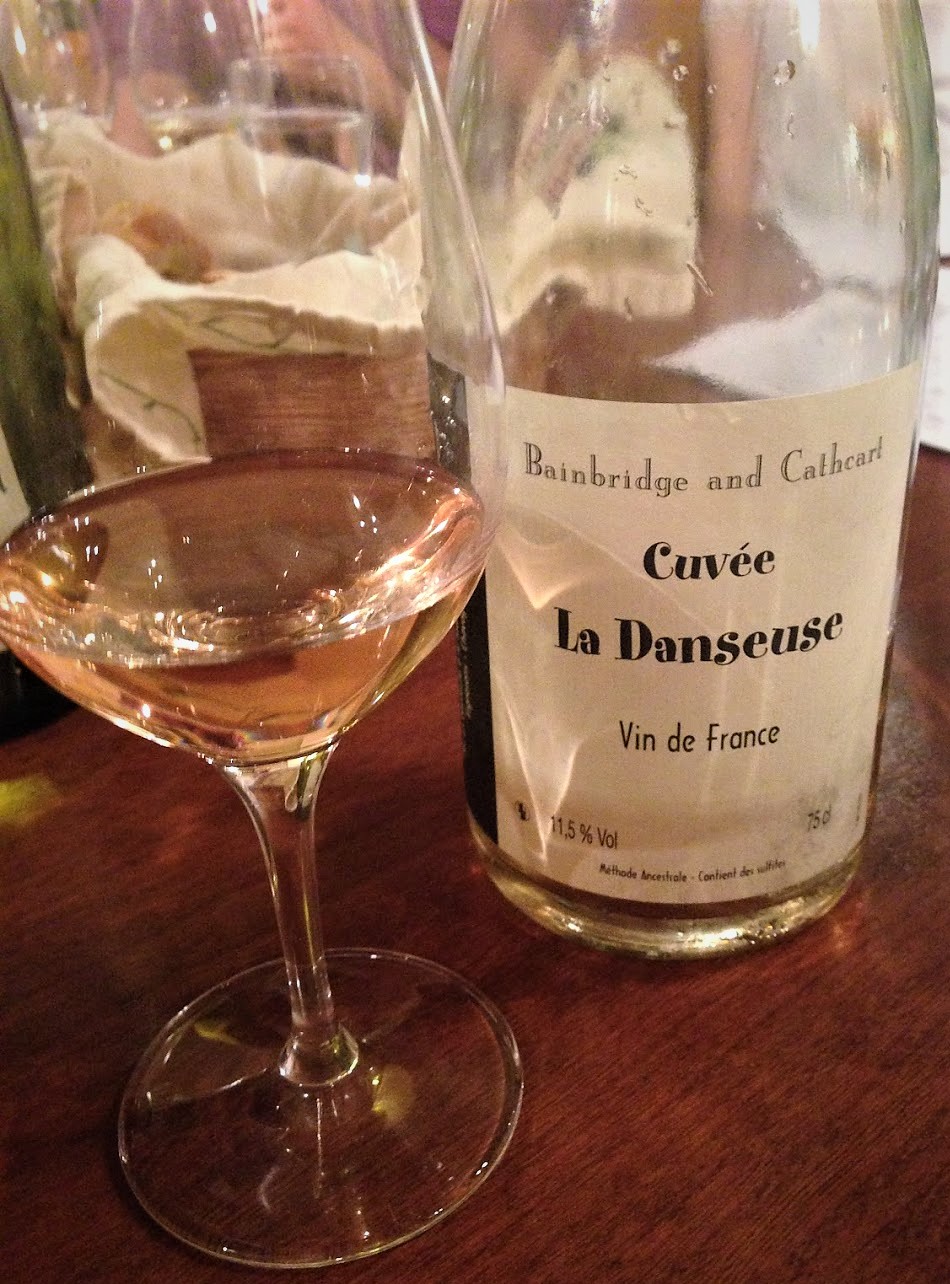
Delightful nose of strawberry pastry, “rugelach” (per another taster), a touch of arugula and yeast. Clean and dryish in the mouth, with bright-verging-on-tart acidity cutting any residual sugar. Tiny prickly bubbles add texture and lift. The load of minerals makes the wine taste more white than red, despite the beguiling strawberry overtones. Some caramel cream creeps in on the finish. Fresh, lip-smacking and super-drinkable. (Buy again? Yep.)
MWG July 13th tasting: flight 4 of 9
Character analysis
Vin de France 2015, Kharaktêr, Domaine Le Briseau ($42.25, private import, 6 bottles/case)
After abandoning an estate in Vouvray, the late Christian Chaussard met and married Natalie Gaubicher and, with her, set up shop in the Jasnières/Coteaux-du-Loir region, first by founding a small négociant firm (Nana Vins et Cie) and then by acquiring vineyards of their own. The farming is biodynamic and the wine-making tends natural. 100% Chenin Blanc from organically and biodynamically farmed 50-year-old vines in the Jasnières AOC. Manually harvested. The grapes are gently pressed. The juice is clarified by settling and racking. Vinified with indigenous yeasts and bacteria. Malolactic fermentation is allowed. Matured nine months in stainless steel tanks. Lightly filtered. No added anything except a tiny shot of sulphur dioxide at bottling. 13.5% ABV. Quebec agent: WINO.

Draws-you-in nose of maple réduit*, corn silk, poached quince, “grapefruit,” chalk, linden flowers, a touch of honey and, eventually, “pancake batter.” Very dry. The mouth-filling flavours echo the nose. There’s a certain weightiness to the wine yet it’s fleet on its feet due to the faint spritz, sleek but sustained acidity and flood of minerals. Lovely bitter notes join the fruit on the long, saline finish. Improves with time in the glass so carafing is probably in order. (Buy again? Yes, though not without wishing it were $7-10 cheaper.)
*réduit is maple sap that has been reduced in an evaporator but is only about halfway to maple syrup. It can, among other things, be added to drinks and used as a cooking medium (e.g. Martin Picard’s exquisite lobster poached in réduit). For more information, consult your local sugar shack operator or the Au Pied de Cochon Sugar Shack Cookbook.
MWG July 13th tasting: flight 3 of 9

 Brett happens