Hit and miss
Crémant du Jura, Rosé, Domaine Désiré Petit ($24.00, 12399717)
100% Pinot Noir from vines averaging 20 years old and rooted in calcareous topsoil over red marl. Sparkled using the traditional method. Reducing sugar: 12 g/l. 11.5% ABV. Quebec agent: Tannins.
Engaging nose dominated by cherry and almond. Softly effervescent. Dry. Fruity attack, savoury mid-palate. Lots of minerals. Crisp acidity adds cut and freshness. Spice and “pink grapefruit pith” mark the fair finish. Parabolic in that it got better as it breathed but then became a little one-note as it warmed. That said, this would make a fine starter at a backyard barbecue and you could keep going with it if you had some salmon on the grill. (Buy again? Sure.)

Crémant du Jura, Rosé, Domaine André et Mireille Tissot ($30.75, 13236670)
Pinot Noir (50%), Poulsard (25%) and Trousseau (25%) from biodynamically farmed vines around a quarter of a century old and rooted in clay and limestone. Half the grapes were direct pressed, the other half pressed after a short maceration. Fermented and matured in stainless steel tanks. Once malolactic fermentation was completed, the wine was bottled and sparkled using the traditional method. 12.5% ABV. Quebec agent: LVAB.
Yeasty/briochey nose of red berries, yellow plum and, a bit disconcertingly, “ketchup maison.” Very dry on the palate (I suspect this may be a zero dosage sparkler). Fine effervescence with bubbles one taster describes as “crunchy.” Minerals galore, peekaboo strawberry and soft but sufficient acidity. Sadly, all that takes a backseat to an overwhelming bitterness. Improved slightly with time in the glass, though never enough to win over a single taster. Tissot is one of our favourite Jura producers and this was the first Tissot rosé any of us had tasted, so the letdown was huge. Didn’t smell or taste like an off bottle. Just off the boat so maybe suffering from travel shock? (Buy again? Only to give it a second chance.)
MWG May 18th tasting: flight 1 of 6
Beach wine
Swartland 2015, Kedungu, Intellego ($27.82, private import, 6 bottles/case)
Owned and operated by Jurgen Gouws, Intellego Wines sources its grapes from its own vineyards and from growers with whom it works in close collaboration. All the fruit is certified organic and the wine-making is as close as possible to non-interventionist, small amounts of sulphur dioxide being the only additive. The wines are made in a small rented facility in the Paardeberg region. Named after a Bali beach where Gouws enjoyed himself surfing, the easy-drinking Kedungu is a 66-28-6 blend of Syrah (from vines planted in the 1980s) and Cinsault and Mourvèdre (from vines planted between 2000 and 2004). The varieties were separately whole-bunch fermented in closed tanks, with the Syrah spending 14 days on the skins and the other varieties about a week. The lots were then blended and directly pressed together into old French oak barrels for nine months’ maturation. 12.5% ABV. Quebec agent: Glou.

Plum, burnt sugar, “blond tobacco and butterscotch” on the nose. On the fuller side of medium-bodied but fundamentally fluid. Red and black fruit are the dominant flavours, though the wine is more terroir- than fruit-driven. Bright acidity lends a welcome sour edge, while the tannins are just firm enough. The finish is long and savoury. Wines like this and the Leeuwenkuil Cinsault are convincing me that South Africa and more specifically Swartland are worth keeping an eye on. (Buy again? Sure.)
MWG April 21st tasting: flight 6 of 6
Red ends
After working with the Les Vignerons d’Estézargues cooperative for several years, Édouard Laffitte, who had no background in farming, decided to set out on his own. Invited by Loïc Roure, then newly settled in the Roussillon, to share the wine-making facilities he had just acquired for his Domaine du Possible, Laffitte began searching for vines, specifically ones growing in north-facing, high-altitude vineyards, the better to make wines that were fresh and not excessively alcoholic. He eventually pieced together 7.7 hectares of parcels in the communes of Lansac (granitic sand), Rasiguères (shale) and Cassagnes (gneiss) to make the Domaine Le Bout du Monde, so named because visitors told him that getting there was like travelling to the end of the earth.
The farming is organic and the vineyards are worked manually. The wines are vinified by soil type with as little intervention as possible (indigenous yeasts, no filtering or fining, no additives). The estate currently makes five reds (Grenache, Carignan and Syrah alone and in blends) and one white (Roussane).

Côtes du Roussillon 2014, Tam-Tam, Domaine Le Bout du Monde ($29.30, private import, 12 bottles/case)
100% Syrah from vines rooted in slate. Vinified in tanks. Given three weeks’ carbonic maceration. 12.5% ABV. Quebec agent: Glou.
Nose: red fruit, spice, cedar, background earth, distant funk. Mouth: Dry, spicy, sawdusty. Lively acidity, supple tannins. Medium body, satiny texture. Pure, straightforward, fruity and enjoyable. (Buy again? Yes.)
Côtes du Roussillon 2014, Hop’là, Domaine Le Bout du Monde ($32.25, private import, 12 bottles/case)
Grenache (40%), Syrah (40%) and Carignan (20%) from vines rooted in gneiss. Vinified in tanks. Given three weeks’ carbonic maceration. 12.5% ABV. Quebec agent: Glou.
Far more savoury nose: black raspberry, leafmould, slate and leather. Medium-bodied and fleet, with bright acidity, springy tannins, lively pure fruit. Clean finish. (Buy again? Yes.)
Côtes du Roussillon 2014, La Luce, Domaine Le Bout du Monde ($43.75, private import, 12 bottles/case)
100% Grenache from 35-year-old vines rooted in gneiss. Vinified in tanks. Given four weeks’ carbonic maceration. 13% ABV. Quebec agent: Glou.
The most complex of the three. Floral, licorice, plum cake, marzipan. Smooth and satiny. Layered berry fruit, wood and minerals. Fine complex tannic structure. Sleek acidity. Long finish with a vaporous note. Gorgeous. Delivers all of the upsides of Grenache and none of the downsides. (Buy again? Yes.)
MWG April 21st tasting: flight 5 of 6
Natural born swillers
Colli Trevigiani 2015, Rosso, Costadilà ($23.75, private import, 12 bottles/case)
Located in Valdobbiandene in the Veneto, Costadilà is best known as a producer of Prosecco. The small estate practices organic polycultural farming, uses only indigenous yeasts and never filters or adds sulphur. This is a blend of Refosco and Merlot. 10.5% ABV (!). Quebec agent: Glou.
Morello cherry, gingerbread, a hint of animale and notes described as “asparagus” and “old leather-bound photo albums.” Medium-bodied, fluid and fresh, full of ripe if tart fruit, brilliant acidity and supple tannins. Finishes long with a faint terminal rasp. Seems tailor-made for salume and stuffed pasta in red sauce. (Buy again? Absolutely.)


Umbria 2015, Il Rossodatavola, Collecapretta ($36.50, private import, 6 bottles/case)
Cantina Collecapretta is located about 20 km north-northwest of Spoleto. Of the estate’s eight hectares, only four are given over to vines, the remainder being planted with olive trees, farro and other ancient grains. In a good year, the wine production totals 8,000 bottles. Farming is organic. The grapes are manually harvested and fermented in open-top cement vats with no temperature control. The wines are matured in glass-lined cement vats and resin tanks before being bottled unfiltered and in accordance with the lunar cycle. No sulphur is added at any point in the process. This red table wine is mostly Sangiovese, maybe with a little Barbera, Merlot, Sagrantino and/or Ciliegiolo. 13.5% ABV. Quebec agent: Glou.
Initially reduced nose of barnyard and seaweed segues into red fruit, red meat and sandalwood. Medium- to full-bodied. Spicy cherry hard candies and a touch of green. Extract, bright acidity and medium tannins are well balanced. A bit bitey on the long finish. Intense, authentic and appealingly rustic. (Buy again? Yep.)
MWG April 21st tasting: flight 4 of 6
Red bubble
Vin de France 2015, La Bulle Rouge, Les Capriades ($35.25, private import, 12 bottles/case)
Based in the Loire Valley’s Touraine region, Les Capriades founder and co-owner, Pascal Potaire, is considered the king of pet nats (short for pétillants naturels, natural sparkling wines produced using the ancestral method). This red example is a blend of juice from three varieties of organically farmed red-fleshed Gamay – Gamay de Bouze, Gamay de Chaudenay and Gamay Fréaux – explaining the cuvée’s former name, BCF. 11% ABV and I’m guessing somewhere around 10 g/l of residual sugar. Quebec agent: Glou.

Medium red with scarlet glints and fast-disappearing shocking pink foam. The nose is a swirl of raspberry vinegar, burnt hair, burnt sugar, lipstick, chocolate, pink blossoms and spice. A sip reveals a soft-sparkled wine that’s fresh, fruity and definitely not dry. Sleek acidity, a mineral underlay and a lingering bitterness counteract the sweetness to some degree. “Raspberry freezee” concludes one taster. A tad richer than but otherwise not dissimilar to a Bugey-Cerdon, which can be had for about $12 less. (Buy again? Maybe.)
MWG April 21st tasting: flight 3 of 6
The farthest thing from an aperitif wine
Languedoc 2013, Roucaillat, Domaine des Hautes Terres de Comberousse ($29.55, private import, 12 bottles/case)
The 14-hectare estate is located about 15 kilometres north of Sète. Its first vines were planted in 1981, The current company, a father and son operation, was founded in 2001. Farming has been organic since the start and the mostly calcareous vineyards are neither tilled nor weeded. This, the estate’s flagship white, is a blend of Roussanne (50%), Rolle (aka Vermentino, 30%) and Grenache Blanc (20%). The grapes are manually harvested and given extended maceration before being gently pressed. The must is chilled, clarified though settling and fermented in temperature-controlled (19-20°C) tanks. Malolactic fermentation and several months’ maturation follow. 13.5% ABV. Quebec agent: Glou.

Striking, savoury nose of “spruce bark,” yellow beet, “cooked Swiss chard,” bacon fat and “pumpkin seed.” In the piehole, it’s rich and heady, extracted but not particularly fruity: beeswax overtoned with orange, bacon and dried herbs. The acidity is of the soft-glow variety while the long finish fades into a lingering bitterness. Unrefreshing on its own (the farthest thing from an aperitif wine), this absolutely requires food. Unique, surprising and, maybe, a year or two before its prime. (Buy again? A bottle or two to relive the experience and play with food pairings.)
MWG April 21st tasting: flight 2 of 6
Brand new and old
The April 21st tasting featured wines represented in Quebec by Glou and was led by the agency’s prime mover, Jack Jacob. We started with a flight of four fine Alsatians.
Created in 1950 and based in Ergersheim, Domaine Brand sits in the middle of La Couronne d’or, a swath of vineyards stretching from Strasbourg to Marienheim. The estate’s 10 hectares of vineyards are in the communes of Ergersheim, Osthoffen and Wolxheim. Farming has been organic since 2001 and certified biodynamic (Demeter) since 2015.
Current winemaker Philippe Brand took the helm in 2008, following stints at Domaine de Montchovet in Burgundy and wineries in the Peloponnese (Greece) and Barossa Valley (Australia). He soon imposed a regime of non-interventionist wine-making where the only additive, if any, is small amounts of sulphur dioxide. The estate makes a separate line of unsulphured natural wines under the Apollinaire moniker whose labels feature calligrams by the eponymous artist.

Alsace 2013, Riesling, Kefferberg, Brand & Fils ($33.06, private import, 6 bottles/case)
100% Riesling from the Kefferberg vineyard. Manually harvested. The whole clusters are gently pressed. Fermented (with indigenous yeasts) and matured in large barrels. 12.5% ABV. Quebec agent: Glou.
Gold bronze to the eye. Complex nose of apple, pear and chalk with hints of petrol and “Meyer lemon” (quoting another taster). Rich but not heavy in the mouth, the fruit tending toward baked apple. Dry and very minerally. The combination of acidity and minerals lends an almost “tannic bite” to the long finish. (Buy again? Sure.)
Alsace 2015, La Chimère, Charles et Philippe Brand ($34.76, private import, 6 bottles/case)
One of the estate’s Apollinarie wines. 100% Riesling from the Osthoffen vineyard. Manually harvested. The whole clusters are gently pressed. Fermentation with indigenous yeasts and 12 months’ maturation take place in third- and fourth-fill barrels. Unfiltered and unfined. No added sulphur. 13% ABV. Quebec agent: Glou.
Paler. Faintly funky nose of white flowers, lemon peel, flint, barley sugar and a pungent note some described as bubble gum and others as camphor. A bit spritzy on the palate. Less rich and extracted, more crystalline than the Kefferberg. Bone dry (0.5 g/l residual sugar). Lingering green mango. I like. (Buy again? Yes.)
Alsace 2015, Fleurs, Charles et Philippe Brand ($37.64, private import, 6 bottles/case)
One of the estate’s Apollinaire wines. 80% Pinot Gris, 20% Riesling. Manually harvested. The whole clusters are gently pressed. Fermentation with indigenous yeasts and 12 months’ maturation take place in third- and fourth-fill barrels. Unfiltered and unfined. No added sulphur. Residual sugar: 1.0 g/l. 13.5% ABV. Quebec agent: Glou.
Engaging nose of white peach, white spice and slate with honey and lactic notes. Very dry yet with an “implied sweetness.” Buoyant acidity. Faint spritz. Pearish with bergamot overtones. Mineral-rich. Long bitter-edged finish. Complex. Impressive. (Buy again? Gladly. And I’m really looking forward to trying the orange version.)
Alsace 1999, Riesling, Kefferberg, Brand & Fils ($56.34, private import, 6 bottles/case)
100% Riesling from the Kefferberg. Manually harvested. The whole clusters are gently pressed. Fermented (with indigenous yeasts) and matured in large barrels. 12% ABV. Quebec agent: Glou.
A deep bronze colour approaching that of iced tea. Complex, unfathomable nose: dried apple, brown sugar, smoke, hints of petrol and “spicy green” or “dried mint” and more. Equally complex in the mouth, the flavours echoing the nose and resonating on their own. Super dry. Smooth acidity. Considerable depth. Endless finish with, once again, a hint of something camphor-like. The price is more than reasonable for a wine of this age and quality. (Buy again? Oh, yes.)
MWG April 21st tasting: flight 1 of 6
Dãoist
Dão 2011, Quinta da Falorca ($19.45, 11895381)
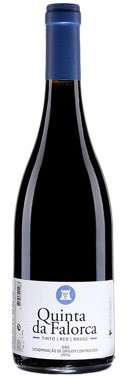 Contrary to what SAQ.com and the Quebec agent claim, this is the estate’s basic Dão and not the Touriga Nacional bottling. A blend of Touriga Nacional (60%), Alfrocheiro (15%), Tinta Roriz (aka Tempranillo, 10%), Jaen (aka Mencia, 10%) and Rufete (5%) from estate-owned vines on the granite banks of the Dão River. Manually harvested. Destemmed. Gently pressed. Fermented in temperature-controlled (26-28°C) tanks. Matured in French oak barrels and stainless steel tanks. Reducing sugar: 2.2 g/l. 14% ABV. Quebec agent: Balthazard.
Winey, peppery, stemmy, earthy nose dominated by plum and cassis aromas. In the mouth, it’s full-bodied but not weighty, possessed of a fundamentally fluid texture. Most apparent up front, the ripe fruit soon gives way to more savoury flavours (old oak, dark minerals, leather, dried mushroom, dusting of black pepper) and is elegantly structured, the acidity bright and sleek, the tannins slender yet firm, the alcohol heady, not hot. The long finish brings a woody/stemmy aftertaste and a faint numbing quality. Quite fresh for a six-year-old wine, this has several years of life ahead of it. It smoothed and opened with a half hour’s exposure to air, so carafing is advised. (Buy again? Yes, including a couple of bottles to lay down for four to five years.)
Sea wine
Santorini 2016, Thalassitis, Gaia Wines ($29.55, 11966695)
The cuvée’s name refers to the ancient practice of mixing wine with sea water (thalassa meaning sea in ancient Greek) to produce a health-promoting beverage called thalassitis oenos or sea-originated wine. 100% Assyrtiko from ungrafted vines about to enter their ninth decade, trained into nests and rooted in the arid, soil (mostly pumice devoid of organic matter) of Episkopi, Akrotiri and Pyrgos. Vinified in stainless steel. Fermented with selected yeasts. Did not undergo malolactic fermentation as the winery claims it contains no malic acid to be converted into lactic acid. Spent five to six months on the lees. Sealed with a synthetic cork that looks a little like the black sand and rocks found on the island. Reducing sugar: 1.6 g/l. 13% ABV. Quebec agent: Le Marchand de Vin.
Fresh and preserved lemon, tidal pool, pumice, faint honey. Buttery texture. Fruity attack for an Assyrtiko. Still, the fruit soon gives way to the expected minerality. Acidity is, of course, very present, especially from the mid-palate on, but seems a tad smoother and less trenchant than is sometimes the case in Santorini Assyrtikos. Very dry, especially on the long, extremely saline finish. Probably my favourite of Gaia’s three Santorini bottlings. While not as deep, powerful or crystalline as some of its (often more expensive) peers, it would still make a good introduction to the grape and terroir. The winery suggests ageing it two to three years; given Assyrtiko’s propensity to oxidize and syncorks’ propensity to allow oxidation, I wouldn’t chance keeping it much longer than that. A near-perfect pairing for oysters on the half shell, grilled sea bass or porgy drizzled with olive oil and lemon juice and just about any octopus dish; with some oxidation, a killer match for beef or venison tartare. (Buy again? Yes.)
Stone wine
Robola de Céphalonie 2015, Vino di Sasso, Domaine Sclavos ($26.95, 12485877)
100% Robola from organically and biodynamically farmed, ungrafted old vines on the Ionian island of Cephalonia. Vino di sasso means “wine of stone,” a reference to the island’s rocky cliffs and outcrops and the vineyard, composed mainly of calcerous pebbles at an elevation ranging up to 850 metres. The manually harvested grapes are directly pressed. The must is fermented at low temperatures with indigenous yeasts and matured eight months on the lees. Sees only stainless steel until bottling. Bottled unfiltered, unfined and with only a tiny squirt of sulphur dioxide. Reducing sugar: 1.4 g/l. 12.5% ABV. Quebec agent: oenopole.

Limestone dust, dried hay, yellow apple, faint peach, dried herbs, almonds and smoke. A striking combination of minerality and richness. Bone dry. Seems built around an acid-mineral core. A saline current runs under the ethereal orchard fruit and tangs the long, fruity, almondy, smoky finish. A unique, fascinating wine, more enigmatic and involving than the 2014. The price of admission is more than fair. (Buy again? Yes, including a couple of bottles to cellar for a year or two.)

 Brett happens