Posts Tagged ‘Inexpensive’
Selbach-Oster times two
Mosel 2014, Zeltinger Himmelreich, Riesling Kabinett Halbtrocken, Selbach-Oster ($19.95, 00927962)
100% Riesling from the Himmelreich vineyard (Zeltinger is the name of the adjacent, riverside village). Manually harvested. Made in tanks and large neutral barrels. Screwcapped. Reducing sugar: 17 g/l. 11% ABV. Quebec agent: Rézin.
“Lemon-flavoured Greek yogurt” (quoting another taster), chalk, quartz and eventually green apple and a whiff of petrol. Light and lean in the mouth. The sugar, in no way saccharine to begin with, is held in check by trenchant acidity. The fruit seems subdued, at least for now, while the pervasive minerals have yet to crystallize. Enjoyable enough as is but, based on experience with earlier vintages, I’m guessing this still has some knitting together to do and will show better in a year or two. Cannot imagine why anyone, especially sushi eaters, would choose Kung Fu Girl when this is around. (Buy again? Sure.)
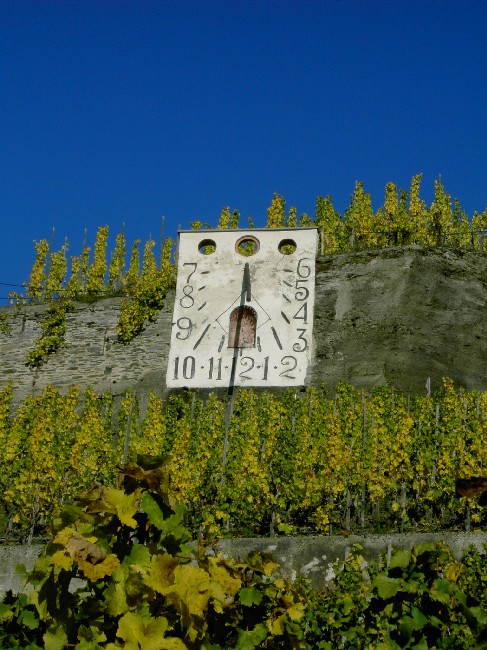
Mosel 2012, Zeltinger Sonnenuhr, Riesling Spätlese Trocken, Selbach-Oster ($29.35, 00904243)
100% Riesling from the Sonnenuhr vineyard. Manually harvested. Made in tanks and large neutral barrels. Reducing sugar: 7.7 g/l. 12% ABV. Quebec agent: Rézin.
Apples, faint citrus, chalk and slate. Elegant and transparent, with a rainwatery weight and texture. Fruity and residual sugary but basically dry. Minerals abound. The acidity is crisp though less razor-sharp than the Halbtrocken’s. Good length, with some stone fruit and spice joining the lemon and slate. A wine of great purity, this is drinkable now but will reward cellaring for another five years at least. (Buy again? Yes.)
Sorry to say the estate continues the German tradition of providing few specifics about its vine-growing and wine-making. The above two wines may or may not come from old, ungrafted vines and may or may not have been fermented with indigenous yeasts. No info about filtering, fining or added sulphur (though you can usually take the last for granted).
MWG April 14th tasting: flight 2 of 6
Different drummers
Saint-Chinian 2014, Antonyme, Domaine Canet-Valette ($17.80, 11013317)
A 50-50 blend of Mourvèdre and Cinsault from organically farmed vines. Manually harvested. The grapes are destemmed and fermented in tanks for 15 days. The wine is then transferred to other tanks for four months’ maturation. Sees only stainless steel until bottling. Reducing sugar: 2.5 g/l. 13.5% ABV. Quebec agent: Le Maître de Chai.
Slightly candied red and black fruit with faint smoke and animale notes. Medium-bodied. Smooth, dense, fruity and dry but also listless and lacking relief, especially next to the À ma guise. I recall an earlier vintage (the 2006?) being more Beaujolais-like. Admittedly, the context didn’t do the wine any favours and I expect it will show better with food, ideally something red meaty and grilled (I’ll be hanging on to my backup bottle to see). (Buy again? Maybe.)
Vin de France 2014, À ma guise, Domaine Les Terres Promises ($25.87, private import, 6 bottles/case)
The 13-hectare estate, which includes a parcel in the Bandol AOC, is owned and operated by former Parisian political operative and author Jean-Christophe Comor and located in the Var department in the foothills of the Massif de la Saint-Baume near the village of La Roquebrussanne. The farming is organic, the wine-making is non-interventionist and the chai is open to the air. This primeur-style wine is a blend of around a dozen varieties including Carignan, Grenache, Cinsault, Clairette and Carignan Blanc. Unfiltered. No or very little added sulphur. 12.5% ABV. Quebec agent: Le Vin dans les Voiles.
Complex, “natural” nose. Fleet yet mouth-filling. Chewy, juicy red fruit with exuberant acidity, supple tannins, a healthy dose of minerals, a squirt of vine sap and a dusting of earth. Smackingly tart finish. So very drinkable. A joy. (Buy again? Done!)
I first encountered the À ma guise at Satay Bros., where it was being poured by the glass. I liked it enough to have a couple of refills and, a few days later, to trek through the rain on foot and public transit to the middle of nowhere, aka the SAQ’s Futailles Street warehouse, to pick up a case so I could serve it at the tasting. The tasting’s bottle was cloudier than I remembered, a bit funky and not quite as stellar as the Satay Bros. bottle (which may have been open and poured from for a while), though it was still good enough for me to have no trouble selling the remainder of the case. Opened day or two later, a third bottle was verging on vinegar. Such are the vagaries of natural wines. Yet when the wine is on, such are the rewards that we put up with the disappointments.
MWG March 31st tasting: flight 5 of 6
Terroir or not terroir?
Cheverny 2014, Envol, Domaine des Huards ($19.95, 12748278)
A blend of Gamay (50%), Pinot Noir (42%) and Cabernet Franc (8%) from biodynamically farmed vines. Manually harvested. The fruit is placed directly into tanks for alcoholic fermentation with indigenous yeasts. Halfway through fermentation, the grapes are pressed. Undergoes full malolactic fermentation. Matured several months in tanks. 12% ABV. Quebec agent: La QV.
Reductive at first, then sweet red berries with hints of sandalwood and slate. Supple, pure and nicely tart. The ripe red fruit sits on slate and is appealingly streaked with green. The slender tannins become a little more prominent on the lip-smacking finish. A refreshing easy-drinker best served cool, this could well be my go-to red this summer. (Buy again? Done!)
Cheverny 2014, Le Pressoir, Domaine Des Huards ($24.00, 11154021)
An 80-20 blend of Pinot Noir and Gamay from biodynamically farmed vines. The grapes are transferred to the vats without pumping. Alcoholic fermentation – with native yeasts – takes place at temperatures up to 30ºC and lasts about a week. The wine is then gently pressed, racked, allowed to undergo malolactic fermentation, oxygenated and racked again with bottling taking place in April or May. The only non-grape product added is small amounts of sulphur dioxide. Reducing sugar: 2.0 g/l. 12.5% ABV. Quebec agent: La QV.
“Salty-savoury” nose of red fruit, mincemeat and some flinty minerals. Light and juicy in the mouth. Supply structured with tart acidity and fine tannins. Finishes with a cranberry-mineral tang. Probably the best Pressoir since the legendary 2006, though it still doesn’t have the full-on Pinot character that made the earlier wine such a delight. (Buy again? Yes.)
Beamsville Bench 2013, Pinot Noir, Hidden Bench ($35.50, 12582984)
This is the Estate bottling. 100% Pinot Noir from three parcels. Manually harvested. Cold-soaked for five days. Fermented with indigenous yeasts with manual punch-downs three to four times a day. The fermented, free-run juice was gravity fed directly into barrels and the skins were pressed in a basket press. Maturation in French oak barrels lasted around 16 months. Bottled unfiltered and unfined. Reducing sugar: 1.9 g/l. 13.5% ABV. Quebec agent: Le Maître de Chai.
Your typical Pinot mix of red berries, cola and red beet along with oak, sweet spice and a faint chemical note that one taster likened to epoxy. Richer than the Pressoir. Tighter too, with firm tannins and sustained acidity. The fruit is forward though not to excess. Oak flavours dominate – some might say spoil – the finish for now but the wine is young. Pitched between Burgundy and New World, this is suave if a little pricey (too bad it’s not under $30). If you wanted to pick nits, you might note that, however well made, it seems a bit anonymous, doesn’t display terroir in the way that many red Burgundies or even the two Huards do. Then again, that may be why the estate’s flagship line is dubbed the Terroir Series. (Buy again? A bottle to cellar for a year or two to see if the wine digests the oak.)
MWG March 31st tasting: flight 4 of 6
Anticlimax
Quincy 2013, Siam, Domaine de la Commanderie ($18.95, 12748219)
100% Sauvignon Blanc from vines at least 15 years old. Mechanically harvested. The must is cold-settled for 8 to 10 hours. Fermented in temperature-controlled (18-20°C) tanks with regular stirring. Matured 10 months on the less. Sees only stainless steel until bottling. 12.5% ABV. Quebec agent: Balthazard.
An echt Sauvignon Blanc nose of gosseberry, flint and kiwi segues into dessicated coconut and unripe pineapple or, as one taster put it, “umbrella drink zone.” In the piehole, it’s medium weight and citrusy with crisp-bordering-on-mordant acidity that’s softened by the rich, extracted texture (the must reportedly spends some time on the skins). The honey note adds interest but the kind of dazzling minerality found in some Loire Sauvignon Blancs is absent here. A decent but unexciting wine that doesn’t quite live up to the hype (three Hachette stars, for example), though it may well show better with food. (Buy again? Meh.)
Montsant 2014, Vespres Blanc, Josep Grau Viticultor ($26.45, 12782177)
Grenache Blanc (90%) and Sauvignon Blanc (10%) from organically farmed vines averaging 32 years old. The manually harvested grapes are pressed for 12 hours. The resulting must is transferred to 2,000-litre oak casks for fermentation with indigenous yeasts and five months’ maturation on the lees. Reducing sugar: <1.2 g/l. 13% ABV. Quebec agent: Vintrinsec.
Odd nose, described variously as “faintly acrid,” “banana medicine” and “tea tree oil.” The strangeness continues in the mouth, where the wine’s initial (apparent) sweetness is countered by bright acidity and contradicted by a dry finish with a light touch of astringency that has me thinking of alum. And yet a taster rightly sums up the wine as “very flat.” Add the lingering note of dishwasher detergent and you’ve got a bottle best avoided. Could ours have been off? (Buy again? Based on this showing, no.)
MWG March 31st tasting: flight 2 of 6
Not for contemplating
Côtes de Provence 2015, Rosé, Domaine Houchart ($17.50, 11686503)
Grenache (35%), Syrah (25%), Cinsault (20%) and Cabernet Sauvignon (15%) from vines rooted in clay and limestone. Most of the fruit was harvested mechanically. The varieties were vinified separately. Ninety percent of the fruit was direct pressed (pneumatic press); the remainder underwent cold maceration (10°C) for 12 to 24 hours. The chilled must was allowed to settle, then fermented in temperature-controlled (18°C) stainless steel vats for 12 to 24 days. After blending, the wine was bottled and closed with a screwcap. Reducing sugar: 4.4 g/l. 13.5% ABV. Quebec agent: Franc-Vins.
Pickled nectarine, strawberry, sun-baked quartz, a whiff of garrigue. Vibrant, glyceriny fruit dominates from entry through mid-palate, then gives way to more mineral, saline and savoury flavours. Bright acidity brings freshness. A red berry/cherry note and some sotto voce orange sound as the finish fades to a faintly bitter aftertaste. So far, so good. Unfortunately, the perceived sugar levels – the SAQ figure seems so low as to have one questioning its accuracy – make this a bit cloying after a glass or two. One of those wines that are pleasant enough to sip but that you don’t want to think too much about when drinking. (Buy again? While waiting for the 2015 Alzipratu to show up, maybe.)
The evening before, friends and I found Tempier’s 2014 Bandol rosé to be a glorious, synergistic pairing for Chez Tante Paulette’s chicken bouillabaisse. The following evening with the leftovers, this was an interactionless meh.
Muscadet and mussels
Muscadet Sèvre et Maine 2014, Château du Coing de Saint-Fiacre ($16.60, 11154259)
100% Melon de Bourgogne from 65-year-old vines rooted mainly in decomposed gneiss. After alcoholic fermentation, the wine is overwintered on its lees until bottling in March. Sees only stainless steel. Reducing sugar: 2.1 g/l. 12% ABV. Quebec agent: StarVin.
Classic Muscadet nose of citrus, pear, chalk, stone and a floral (jasmine?) note. In the mouth, it’s clean and fruity with crisp acidity. A light mineral underlay lasts through the tangy, briny finish. There are deeper Muscadets around but not at this price. A drinker, not a keeper. (Buy again? Sure.)
Mussels with white wine and aromatics made an ideal match.
Two southern French reds with altitude
Marcillac 2014, Mansois, Lionel Osmin ($16.50, 11154558)
Located upriver from Cahors in the foothills of the Massif central, the Marcillac vineyards are, at 350–500 metres (1,100–1,600 feet) above sea level, some of the highest in southwest France. This 100% Mansois (aka Fer Servadou) is made from purchased grapes that are manually harvested, usually late in the season. Maceration and alcoholic fermentation take place in temperature-controlled (23°C) tanks and last 12 to 18 days. Matured in tanks for 10 months. 12.5% ABV. Quebec agent: Le Marchand de Vin.
Red berries, wet clay and vine stems with floral and iron overtones. Medium-bodied and very dry, though fresher than is often the case with Fer wines due in no small part to the bright fruit and fluent acidity. A beety streak adds an earthy, minerally edge while suppler-than-expected tannins keep things firm. The finish is a bit austere, as is typical with this grape. Appealingly rustic and very approachable. The price is more than fair. Try this lightly chilled with a simple stew of beef or lamb, root vegetables, celery and bay. (Buy again? Def.)
Languedoc 2013, Terrasses du Larzac, Les Carlines, Mas Haut-Buis ($18.85, 10507278)
Ranging in altitude from around 100 metres (400 feet) to 400 metres (1,300 feet), the Terrasses du Larzac vineyards are some of the highest in the Languedoc. Syrah (35%), Carignan (35%) and Grenache (30%) from organically farmed vines. Manually harvested. Fully destemmed. Fermented with indigenous yeasts in cement tronconic vats. Matured 14 months in cement vats. Unfiltered and unfined. 13.5% ABV. Quebec agent: Le Marchand de Vin.
Fragrant nose: black raspberry, plum, burned minerals, animale, leather, meat and a dash of green. Medium-bodied and smooth textured. There’s a good balance between the ripe fruit, bright acidity and light but firm tannins, though it’s a little lacking in the depth department. Decent peppery finish. Seems less accomplished than an earlier vintage I recall (the 2010?); whether that’s a function of our bottle, the challenging 2013 vintage or the wine’s current phase is hard to say. In any case, not bad and probably better with food. (Buy again? Maybe.)
MWG February 26th tasting: flight 4 of 7
Bargain Agioritiko
IGP Peleponese 2013, Agiorgitiko, Pathos, Tsantali ($12.00, 12698531)
As for the Pathos white, technical info is short on the ground. 100% Agiorgitiko given a short maceration on the skins and short maturation on the lees. Reducing sugar: 2.1 g/l. 12.8% ABV. Quebec agent: Amphora.
Plum and black cherry, a bit jammy, with light spice and what comes across as a hint of oak. Develops musky marzipan notes as it breathes. Medium-bodied. The ripe fruit up front is backed by darker mineral and earth flavours and a faint swirl of caramel. The acidity is fleet, the tannins slim but springy. Remarkably dry from the mid-palate on, an impression only reinforced by the light astringency that comes to the fore as the fruit fades. Lingering cherry pit and ash. Not deep or complex and certainly not enthralling but clean, sound and drinkable – no excuses need be made. Is there a better SAQ red at the price? (Buy again? Yes.)
Like the white, was $11.35 until the SAQ’s latest round of price hikes. In this case, that works out to a nearly 6% increase.
Bargain Moschofilero
IGP Peleponese 2014, Moschofilero, Pathos, Tsantali ($12.00, 12700354)
Technical information is hard to come by for this wine; the producer provides no details on its website and the agency doesn’t even list it on theirs. Are the grapes purchased or estate-grown? Organically farmed? Is the wine fermented with native yeasts? Allowed to undergo malolactic fermentation? Filtered and fined? Your guess is as good as mine. Pathos (παθος), Greek for passion, is the name of this new and apparently Quebec-only line. A drawing of Aristotle adorns the front label. 100% Moschofilero. Short maceration on the skins. Short maturation on the lees. Sees only stainless steel until bottling. Reducing sugar: 2.0 g/l. 12.8% ABV. Quebec agent: Amphora.
A bit musky and honeyed on the nose, with faint lemon and grapefruit aromas. In the mouth, it’s smooth, clean and very dry with a somewhat honeyed texture. The mild flavours tend to apple, pear, citrus and eventually peach, all infused with chalky minerals and buoyed by soft acidity. A light astringent sourness adds interest to the fair, butter-afternoted finish. Not a ton of personality (see Tselepos, among others, for that) but enjoyable enough and very drinkable. Despite the SAQ’s recent price hike (was $11.35 until a week or two ago), the QPR is high on this one. (Buy again? Yes.)
Bargain Bierzo
Bierzo 2014, Viernes, Bodegas Godelia ($16.45, 12751451)
100% Mencía from vines between 12 and 21 years old in various plots. Manually harvested. The grapes are kept at 10ºC while processed at the winery and gently destemmed. Fermentation in temperature-controlled (25ºC) stainless steel tanks with push-downs and pump-overs lasts 12 to 15 days. Malolactic fermentation and four months’ maturation on selected lees also take place in tanks. 13.5% ABV. Screwcapped. Quebec agent: Vinicolor.
Attractive, earthy nose dominated by cherry, cassis, sandalwood and slate. Medium-bodied. The flavours echo the nose. Starts out ripe-sweet but dries as it goes along. Light tannins add some grit and outlast the fruit. Licorice, black pepper and a dash of salt colour the mildly astringent finish, while tobacco lingers on. Quite intense from start to finish though lacking some of the depth and follow-through of more expensive Bierzos; on the other hand, it’s not overambitious like so many of those wines are. Savoury and a bit rustic, true to the grape and the terroir, this punches above its weight and delivers good bang for the buck. (Buy again? Sure.)
No, it’s not natural or even organic and is probably made with selected yeasts and manipulated who knows how. But in contrast to many wines in its price bracket, it doesn’t taste industrial or like a headache generator.

 Brett happens