Archive for the ‘Tasting notes’ Category
Rioja Gran Reserva times two
Rioja Gran Reserva 2009, Imperial, C.V.N.E. ($51.50, 12203796)
Tempranillo (85%), Graciano (10%) and Mazuelo (aka Carignan, 5%) from vines averaging more than 20 years old in Villalba and Haro in Rioja Alta. Manually harvested. The grapes were destemmed and cold macerated prior to cool alcoholic fermentation in oak vats and malolactic fermentation in barrels and cement vats. Matured 36 months in American and French oak barrels and 48 months in the bottle. 13.5% ABV. Quebec agent: LBV International.
Plum, old wood, black tea, cherry tart, a whiff of alcohol. Smooth, satiny and balanced, the fruit ripe and pure, the firm, gritty tannins beginning to relax, the acidity providing welcome freshness. Incipient layers bring smoke, black fruit and minerals to mind and hint at depth to come. Long, sandalwood finish. Young but approachable now, better integrated and more refulgent in five to 10 years. (Buy again? Sure.)
Rioja Gran Reserva 2005, 904, La Rioja Alta ($72.50, 12407810)
Tempranillo (90%) and Graciano (10%) from vines over 40 years old in Briñas, Labastida and Villalba. Alcoholic fermentation took place in stainless steel tanks. Matured 48 months in four-year-old American oak barrels (made in-house), with racking every six months. Bottled in November 2010. Reducing sugar: 2.0 g/l. 12.5% ABV. Quebec agent: Vinicolor.
“Like Christmas cake,” said one taster upon smelling the nose. I wrote: macerated cherry, leather, tobacco, pencil lead, sawed cedar, background coconut and vanilla. Medium- to full-bodied. Still youthful and vibrant though the tannins are mostly resolved. Great depth of flavour, including plummy fruit, inky minerals, animale, smoke and well-integrated oak. Very long woody/savoury finish. Balanced, elegant and, more importantly, delicious. Enjoyable now but probably not peaking for another 10 years and capable of aging longer. Special. (Buy again? Budget permitting, yes.)
MWG April 14th tasting: flight 6 of 6
Blaufränkisch times two and a half…
…or maybe times two and three-quarters, since Zweigelt is a cross of Blaufränkisch and St. Laurent.
Burgenland 2013, Pitti, Weingut Pittnauer ($18.55, 12411000)
A 50-50 blend of Blaufränkisch and Zweigelt from biodynamically farmed vines. Manually harvested. Destemmed. Macerated on the skins for two to three weeks. Pressed pneumatically. Fermented (with indigenous yeasts) and matured (for about six months) in temperature-controlled stainless steel. Lightly filtered before bottling. Screwcap. Reducing sugar: 6.4 g/l. 13.5% ABV. Quebec agent: Rézin.
Appealing nose of red and black berries and turned earth. In the piehole, it’s juicy, brightly acidic and, due to that, fundamentally dry. Floral aromatics and crunchy minerals colour the mid-palate while light raspy tannins mark the finish. A bit rustic and all the better for it. Totally poundbackable and a delight with grilled sausages, all for well under $20 – what’s not to like? (Buy again? Yep.)
Burgenland 2013, Blaufränkisch, Weinbau Uwe Schiefer ($24.75, 12806571)
100% Blaufränkisch. Schiefer, whose last name fortuitously means schist in German, is a former sommelier who decided to get his hands dirty. Located in southern Burgenland, his estate is organic but converting to biodynamism. The winemaking is minimalist: “All the wines ferment spontaneously and mature in differently sized casks on the yeast. No modern technology, no barrique.” Reducing sugar: 1.8 g/l. 12.5% ABV. Quebec agent: Tocade.
Spice, leafmould and slate, gaining red meat and menthol notes. Medium-bodied and silky textured. Blackberry juicey – both very fruity and very dry, with streaming acidity, sleek tannins and a dark mineral underlay. Good length. Less complex and deep than Schiefer’s high-end cuvées (which cost twice as much) but still lovely. (Buy again? Yes.)
Burgenland 2012, Blaufränkisch, Reserve, Weingut Moric ($51.00, 12282527)
100% Blaufränkisch from century-old vines in the Neckenmarkt and Lutzmannsburg vineyards. Owner Roland Velich farms without herbicides, pesticides, fungicides or chemical fertilizers but doesn’t claim the organic label. Fermented with indigenous yeasts. Matured in old barrels. Sulphur use is kept to a minimum. Unfined, like all Moric wines. 13.5% ABV. Quebec agent: Rézin.
Evolving nose: rose, spice, slate and, eventually, leather and faint juniper berries. Beautiful if young, an extracted yet balanced mix of ripe fruit and slate, cranberry-like tartness and finely detailed tannins. “Bitterness adds the balancing touch” (quoting another taster) to the long, long finish. Great clarity and precision. Multidimensional but still a little monolithic (give it a few more years in the cellar or a few hours in a carafe), pricey but not overpriced. Having been burned so many times, I now buy backup bottles for tastings and return the backup if the first bottle isn’t defective. I’d planned to do that with this but couldn’t bring myself to part with the second bottle. (Buy again? Done!)
MWG April 14th tasting: flight 5 of 6
Elian Da Ros times two
Côtes du Marmandais 2014, Le Vin est une Fête, Elian Da Ros ($21.00, 11793211)
A blend of organically and biodynamically farmed Abouriou (40%), Cabernet Franc (40%) and Merlot (20%). Manually harvested. The Merlot and Cabernet were destemmed, macerated for ten to 15 days and gently pressed. The Abouriou clusters were kept whole and vinified using semi-carbonic maceration. All fermentations are with indigenous yeasts. The wine was matured 10 months in old barrels and one month in concrete tanks. Unfined and lightly filtered before bottling in late November 2015. Sulphur is added only on bottling. 12.5% ABV. Closed with a synthetic cork. Reducing sugar: under 1.2 g/l. 12.5% ABV. Quebec agent: Rézin.
Some reductive aromas on opening but nothing double-carafing doesn’t take care of. One hour after opening: plum, slate, spice, iron and cherry yogurt. In the mouth, it’s medium-bodied and round, fruity but dry, with freshening acidity, lightly raspy tannins and good energy. Tasty and throwbackable, the kind of wine that almost drinks itself. Hard to imagine a more grill-friendly red. Serve lightly chilled. (Buy again? Yes.)
Côtes du Marmandais 2012, Chante Coucou, Elian Da Ros ($31.25, 12723142)
A blend of Merlot (50%), Cabernet Sauvignon (20%), Malbec (20%) and Syrah (10%) from organically and biodynamically farmed vines mostly in their third decade (the Merlot vines are a bit younger). Manually harvested. The Merlot and Cabernet are destemmed, the Malbec and Syrah aren’t. The varieties are vinified separately. Fermented with indigenous yeasts and gentle punch-downs of the cap. Total maceration time: two to three weeks. Matured 24 months in barrels. Blending occurred nine months before bottling, which took place on August 25, 2015. Unfiltered and unfined. 13% ABV. Quebec agent: Rézin.
Our first two bottles were corked (all three came from the same case), so popped and poured unfortunately. On the nose, the fruit (red currant, blackberry, cherry) takes a back seat to “citronnelle,” “green,” vanilla and slate. Rich and finely structured in the mouth, the acidity sleek, the tannins still a little tight. Fruitier and more rustic than your average Bordeaux but very much in that mould. Finishes long and clean on a wood and mineral note. Continued evolving in the glass, indicating some aging potential: cellar three to five years or carafe an hour or two before serving. (Buy again? Maybe.)
MWG April 14th tasting: flight 4 of 6
Saumur blanc times two
Saumur 2013, Clos de Guichaux, Domaine Guiberteau ($29.65, 11461099)
The Clos de Guichaux is a monopole, meaning Guiberteau owns the entire vineyard and makes all the wine that comes from it. The chalky clay subsoil is covered by a thin layer of topsoil. About 1.5 hectares of the total 3 hectares has been planted, entirely to Chenin Blanc from massale cuttings taken from the estate’s best old vines in Brézé. As the cuttings were planted in 2003 and 2004, this is a young vines cuvée. All farming is organic. The grapes were manually harvested and whole-cluster pressed. Fermentation was with indigenous yeasts and no chaptalization. Maturation lasted ten months and took place in second- to fourth-fill 600-litre oak barrels. The wine was lightly filtered before bottling. Reducing sugar: < 1.2 g/l. 13.5% ABV. Quebec agent: LVAB.
Classic nose of honey, quince, linden, wax and quartz. Extracted and mouth-filling yet finely balanced. Bone-dry yet far from arid. Animated by streaming acidity and set against a backdrop of minerals, the rich fruit fairly glows. The wine’s tension and energy are spellbinding. One of the best Chenins in its price range. (Buy again? You bet!)
Saumur 2013, Collection Rézin, Château Yvonne ($29.75, 10689665)
100% Chenin Blanc from organically farmed vines between 12 and 80 years old. Manually harvested. Fermented with indigenous yeasts, matured in oak barrels (80% new) for 12 months and in tanks for six moths. Unfiltered and unfined. Reducing sugar: 2.5 g/l. 13.5% ABV. Quebec agent: Rézin.
Outgoing, complex, savoury nose marked by yellow fruit (apple, citrus, stone, tropical), chalky minerals and a hint of resin. In the mouth, it’s rich, dry, acidic and balanced yet with a wild edge and a touch of oxidation. Young but already showing some depth and considerable breadth and length. More rustic and less finessed than the Clos de Guichaux (not that there’s anything wrong with that) but, if anything, with even greater presence. (Buy again? Yes.)
MWG April 14th tasting: flight 3 of 6
Selbach-Oster times two
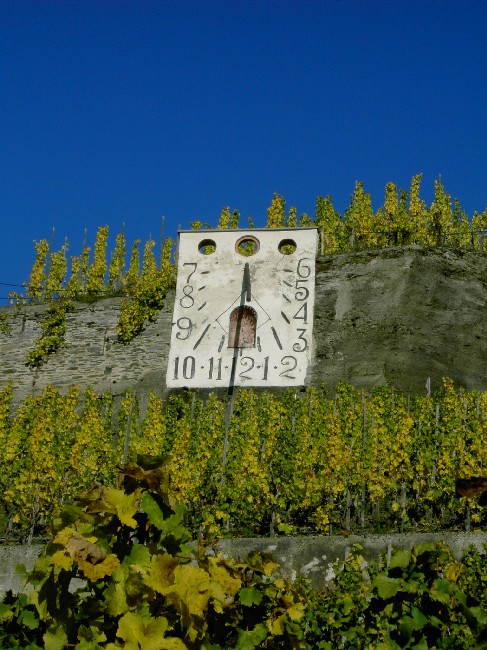
Mosel 2014, Zeltinger Himmelreich, Riesling Kabinett Halbtrocken, Selbach-Oster ($19.95, 00927962)
100% Riesling from the Himmelreich vineyard (Zeltinger is the name of the adjacent, riverside village). Manually harvested. Made in tanks and large neutral barrels. Screwcapped. Reducing sugar: 17 g/l. 11% ABV. Quebec agent: Rézin.
“Lemon-flavoured Greek yogurt” (quoting another taster), chalk, quartz and eventually green apple and a whiff of petrol. Light and lean in the mouth. The sugar, in no way saccharine to begin with, is held in check by trenchant acidity. The fruit seems subdued, at least for now, while the pervasive minerals have yet to crystallize. Enjoyable enough as is but, based on experience with earlier vintages, I’m guessing this still has some knitting together to do and will show better in a year or two. Cannot imagine why anyone, especially sushi eaters, would choose Kung Fu Girl when this is around. (Buy again? Sure.)
Mosel 2012, Zeltinger Sonnenuhr, Riesling Spätlese Trocken, Selbach-Oster ($29.35, 00904243)
100% Riesling from the Sonnenuhr vineyard. Manually harvested. Made in tanks and large neutral barrels. Reducing sugar: 7.7 g/l. 12% ABV. Quebec agent: Rézin.
Apples, faint citrus, chalk and slate. Elegant and transparent, with a rainwatery weight and texture. Fruity and residual sugary but basically dry. Minerals abound. The acidity is crisp though less razor-sharp than the Halbtrocken’s. Good length, with some stone fruit and spice joining the lemon and slate. A wine of great purity, this is drinkable now but will reward cellaring for another five years at least. (Buy again? Yes.)
Sorry to say the estate continues the German tradition of providing few specifics about its vine-growing and wine-making. The above two wines may or may not come from old, ungrafted vines and may or may not have been fermented with indigenous yeasts. No info about filtering, fining or added sulphur (though you can usually take the last for granted).
MWG April 14th tasting: flight 2 of 6
Limoux times two
Crémant de Limoux 2013, Expression, Antech ($20.60, 10666084)
Chardonnay (60%), Chenin Blanc (20%) and Mauzac (20%) from vines rooted in argilo-calcerous soil. Manually harvested. After pressing, the musts are chilled and clarified by settling, then transferred to stainless steel fermentation vessels. First fermentation lasts 15 to 21 days. The wine is then clarified by fining and sparkled using the traditional method. Spends at least 18 months on the lees in the bottle before disgorging. Reducing sugar: 8.1 g/l (for the 2014). 12% ABV. Quebec agent: AOC.
Cookie dough, chalk and lemon. Fine and persistent effervescence. Clean and dry on the palate, the fruit tending to apple, with good acidity and a dusting of minerals. A hint of bitterness creeps in on the faintly honeyed finish. It’s a bit anonymous – more cava- than champagne-like – but certainly drinkable. (Buy again? Maybe.)
Crémant de Limoux 2013, Brut, Clos des Demoiselles, J. Laurens ($23.90, 10498973)
Chardonnay (60%), Chenin Blanc (30%) and Pinot Noir (10%). The varieties are manually harvested and vinified separately. First fermentation takes place in stainless steel tanks. The wine is then bottled with added yeast for second fermentation, matured on the lees for 15 months and disgorged, all per the traditional method. Reducing sugar: 12 g/l. 12% ABV. Quebec agent: Sélections Oeno.
Cookie dough again, this time with marzipan, “matches” and a sour edge. Gained faint notes of “slightly rotting tropical fruit” and candied apple. Richer, more complex and less cava-like than the Antech, with softer, rounder bubbles. The fruit – pear and a little citrus – is upfront but the wine comes across as dry, due in part to the lively acidity. Chalky minerals thread through the mid-palate and into the long finish. Fresh, balanced and satisfying. The usually shaped bottle is quite slippery. (Buy again? Sure.)
The Antech was supposed to be the newly arrived 2014 and I didn’t notice that it wasn’t till unveiling the bottle at the tasting. The vintage information is in the SAQ’s product database yet, perversely, SAQ.com doesn’t make use of it. Why the site usually lists only the latest vintage received and thus sometimes misidentifies the vintage in a given store is a mystery, a source of frustration and a major fail.
MWG April 14th tasting: flight 1 of 6
The full Monterey?
Central Coast 2013, Grenache, Clos de Gilroy, Bonny Doon Vineyard ($28.35, 12268557)
The front label says Monterey County but the grapes come from four vineyards, some of which are outside the county limits, and the winery’s spec sheet lists the AVA as Central Coast. In any case, this is a blend of Grenache (75%), Syrah (7%) and Mourvèdre (18%); if it contained any less Grenache, it couldn’t be labelled as a varietal. The grapes were manually harvested, gently destemmed and given a cold soak. The lots were fermented separately. Macerated, fermented and matured on the lees in temperature-controlled stainless steel tanks. Screwcapped. Reducing sugar: 2.3 g/l. 14% ABV (14.4% per SAQ.com). Quebec agent: Trialto.
Strawberry, black raspberry and a touch of plum, hints of sweet spice and pepper and a kirschy whiff of alcohol. In the piehole, it’s a heady middleweight. The texture is fluent, even silky. The flavours are dominated by fruit that’s ripe-sweet and solar in a way that European Grenaches seldom are (Monterey is at the same latitude as Algiers and Tunis). The alcohol is noticeable but not hot, except in the sense that it melds with wine’s black peppery heat. Bright acidity, pliable tannins and a clean finish round out the picture. A bit on the simple side but varietally correct and certainly easy to drink. Slightly chilled, it makes a fine barbecue wine. Bang for the buck is an issue: the wine makes a lot more sense at the US$15 it can be found for in the States than the C$28 and change charged here in Quebec. (Buy again? On sale maybe?)
Different drummers
Saint-Chinian 2014, Antonyme, Domaine Canet-Valette ($17.80, 11013317)
A 50-50 blend of Mourvèdre and Cinsault from organically farmed vines. Manually harvested. The grapes are destemmed and fermented in tanks for 15 days. The wine is then transferred to other tanks for four months’ maturation. Sees only stainless steel until bottling. Reducing sugar: 2.5 g/l. 13.5% ABV. Quebec agent: Le Maître de Chai.
Slightly candied red and black fruit with faint smoke and animale notes. Medium-bodied. Smooth, dense, fruity and dry but also listless and lacking relief, especially next to the À ma guise. I recall an earlier vintage (the 2006?) being more Beaujolais-like. Admittedly, the context didn’t do the wine any favours and I expect it will show better with food, ideally something red meaty and grilled (I’ll be hanging on to my backup bottle to see). (Buy again? Maybe.)
Vin de France 2014, À ma guise, Domaine Les Terres Promises ($25.87, private import, 6 bottles/case)
The 13-hectare estate, which includes a parcel in the Bandol AOC, is owned and operated by former Parisian political operative and author Jean-Christophe Comor and located in the Var department in the foothills of the Massif de la Saint-Baume near the village of La Roquebrussanne. The farming is organic, the wine-making is non-interventionist and the chai is open to the air. This primeur-style wine is a blend of around a dozen varieties including Carignan, Grenache, Cinsault, Clairette and Carignan Blanc. Unfiltered. No or very little added sulphur. 12.5% ABV. Quebec agent: Le Vin dans les Voiles.
Complex, “natural” nose. Fleet yet mouth-filling. Chewy, juicy red fruit with exuberant acidity, supple tannins, a healthy dose of minerals, a squirt of vine sap and a dusting of earth. Smackingly tart finish. So very drinkable. A joy. (Buy again? Done!)
I first encountered the À ma guise at Satay Bros., where it was being poured by the glass. I liked it enough to have a couple of refills and, a few days later, to trek through the rain on foot and public transit to the middle of nowhere, aka the SAQ’s Futailles Street warehouse, to pick up a case so I could serve it at the tasting. The tasting’s bottle was cloudier than I remembered, a bit funky and not quite as stellar as the Satay Bros. bottle (which may have been open and poured from for a while), though it was still good enough for me to have no trouble selling the remainder of the case. Opened day or two later, a third bottle was verging on vinegar. Such are the vagaries of natural wines. Yet when the wine is on, such are the rewards that we put up with the disappointments.
MWG March 31st tasting: flight 5 of 6
Terroir or not terroir?
Cheverny 2014, Envol, Domaine des Huards ($19.95, 12748278)
A blend of Gamay (50%), Pinot Noir (42%) and Cabernet Franc (8%) from biodynamically farmed vines. Manually harvested. The fruit is placed directly into tanks for alcoholic fermentation with indigenous yeasts. Halfway through fermentation, the grapes are pressed. Undergoes full malolactic fermentation. Matured several months in tanks. 12% ABV. Quebec agent: La QV.
Reductive at first, then sweet red berries with hints of sandalwood and slate. Supple, pure and nicely tart. The ripe red fruit sits on slate and is appealingly streaked with green. The slender tannins become a little more prominent on the lip-smacking finish. A refreshing easy-drinker best served cool, this could well be my go-to red this summer. (Buy again? Done!)
Cheverny 2014, Le Pressoir, Domaine Des Huards ($24.00, 11154021)
An 80-20 blend of Pinot Noir and Gamay from biodynamically farmed vines. The grapes are transferred to the vats without pumping. Alcoholic fermentation – with native yeasts – takes place at temperatures up to 30ºC and lasts about a week. The wine is then gently pressed, racked, allowed to undergo malolactic fermentation, oxygenated and racked again with bottling taking place in April or May. The only non-grape product added is small amounts of sulphur dioxide. Reducing sugar: 2.0 g/l. 12.5% ABV. Quebec agent: La QV.
“Salty-savoury” nose of red fruit, mincemeat and some flinty minerals. Light and juicy in the mouth. Supply structured with tart acidity and fine tannins. Finishes with a cranberry-mineral tang. Probably the best Pressoir since the legendary 2006, though it still doesn’t have the full-on Pinot character that made the earlier wine such a delight. (Buy again? Yes.)
Beamsville Bench 2013, Pinot Noir, Hidden Bench ($35.50, 12582984)
This is the Estate bottling. 100% Pinot Noir from three parcels. Manually harvested. Cold-soaked for five days. Fermented with indigenous yeasts with manual punch-downs three to four times a day. The fermented, free-run juice was gravity fed directly into barrels and the skins were pressed in a basket press. Maturation in French oak barrels lasted around 16 months. Bottled unfiltered and unfined. Reducing sugar: 1.9 g/l. 13.5% ABV. Quebec agent: Le Maître de Chai.
Your typical Pinot mix of red berries, cola and red beet along with oak, sweet spice and a faint chemical note that one taster likened to epoxy. Richer than the Pressoir. Tighter too, with firm tannins and sustained acidity. The fruit is forward though not to excess. Oak flavours dominate – some might say spoil – the finish for now but the wine is young. Pitched between Burgundy and New World, this is suave if a little pricey (too bad it’s not under $30). If you wanted to pick nits, you might note that, however well made, it seems a bit anonymous, doesn’t display terroir in the way that many red Burgundies or even the two Huards do. Then again, that may be why the estate’s flagship line is dubbed the Terroir Series. (Buy again? A bottle to cellar for a year or two to see if the wine digests the oak.)
MWG March 31st tasting: flight 4 of 6

 Brett happens